

Table of Contents
- Quick Comparison: Best Alternatives to Expensive Compression Gear
- Why Compression Gear Costs So Much
- Affordable Compression Gear for Lifting
- Benefits of Compression for Muscle Recovery
- How to Choose Compression Apparel
- Budget Compression Socks and Wraps That Work
- Insurance, DIY Modifications, and Sensory-Friendly Options
- Conclusion
- Frequently Asked Questions
Last Updated: September 11, 2026
Quick Comparison: Best Alternatives to Expensive Compression Gear
Medical-grade compression garments can cost well over a hundred dollars per pair, which is why so many athletes and everyday wearers search for the best alternatives to expensive compression gear. At Kritter Komfort, we build activewear around the same principles that make compression work: stretch, support, and breathability. This guide covers what drives the price up, which affordable options hold up, and how to match a garment to your body and budget.
Compression garments apply graduated compression, meaning pressure is highest at the ankle or extremity and eases as it moves up the limb. That pressure is measured in millimeters of mercury, or mmHg rating. Medical stockings typically run 20-30 mmHg or higher, while athletic versions usually sit in the 15-20 mmHg range (peer-reviewed research). The FDA's guidance on compression stockings as medical devices explains why the medical tier is regulated and priced differently from sportswear.
Here's what most buying guides skip: you do not always need the medical tier. For lifting, running, travel, and daily wear, a well-made athletic garment often does the same job for a fraction of the cost. Below, we compare the options that deliver real value, plus the DIY and insurance angles nobody else covers.
Why Compression Gear Costs So Much
The price gap comes down to three things: regulation, materials, and manufacturing precision. Medical compression is often classified as durable medical equipment, so it must hit verified pressure gradients, pass skin-safety testing, and carry documentation, expensive compliance work that lands on the label (the FDA).
Materials matter too. True medical stockings use dense, tightly controlled knits that hold pressure after dozens of washes, while cheaper fabric loses elasticity fast. That is why a $15 sock and a $90 stocking feel identical on day one and nothing alike after three months.
There's also a distribution problem. Medical garments are often sold through clinics and specialty suppliers with fitting appointments, and that service is baked into the price. Athletic brands skip the fitting room and sell direct, undercutting medical pricing without cutting quality.
Affordable Compression Gear for Lifting
For lifters, the goal differs from a clinical patient's: support that moves with you, wicks sweat, and survives heavy training without pilling or losing stretch. That points toward athletic compression rather than medical stockings, garments built for movement.
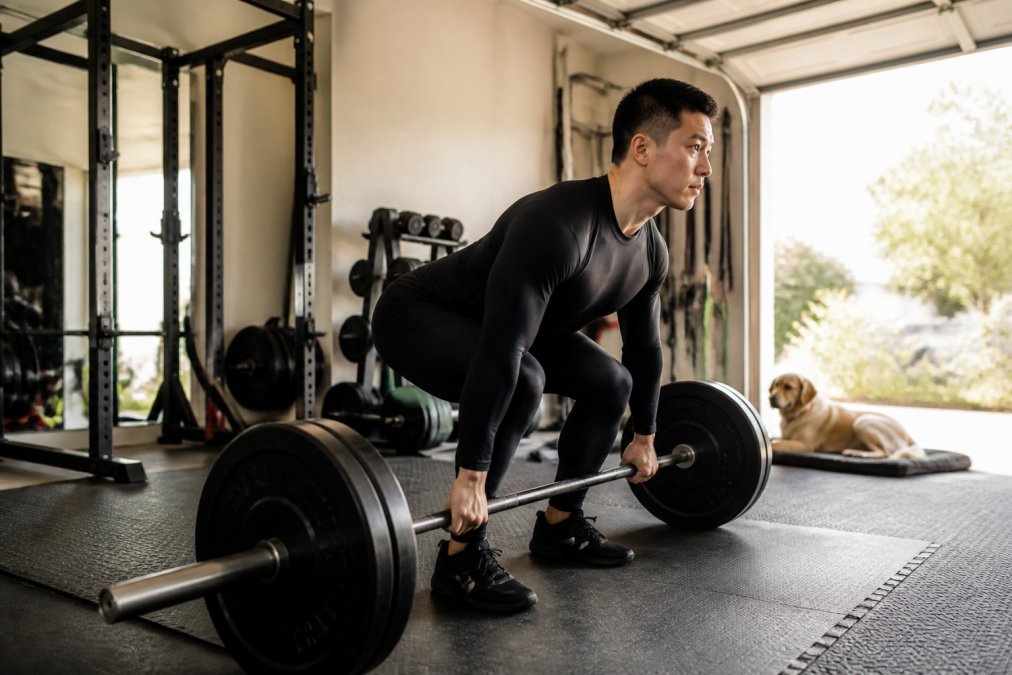
Kritter Komfort apparel uses breathable, stretch-friendly fabrics with durable stitching, cut to an athletic fit that runs true to size. Under a barbell, fabric that stretches without sagging keeps pressure even across the thigh and calf, and stitching that holds means seams do not blow out after months of squats and deadlifts.
Compression Tights and Sleeves for Heavy Training
Tights and sleeves cover more surface area than socks, making them the better choice for lifting. A compression tight supports the quads, hamstrings, and glutes at once, while a knee sleeve adds joint stability during heavy squats and is easier to size, since you only need one measurement.
A common mistake is buying tights so tight they restrict squat depth. Compression should feel firm and even, never painful at the hip crease. If you cannot sit into a full squat without the fabric digging in, size up.
Benefits of Compression for Muscle Recovery
Compression supports recovery by maintaining steady pressure on the limb, which helps move fluid and reduce post-training swelling. Many athletes report less next-day soreness and a faster return to normal range of motion. The effect is modest but real, and clearest in the hours right after a session.
The practical takeaway: wear compression during and immediately after training, not just on rest days. Blood flow and swelling reduction both peak in that recovery window, and a garment you keep on because it is comfortable outperforms a stiffer one you peel off after ten minutes.
Comfort is where cheap gear usually fails. A sock that bunches at the toe or a tight that rolls at the waist gets abandoned, and abandoned gear delivers zero recovery benefit. Fit and breathable fabric matter as much as the mmHg rating on the label.
How to Choose Compression Apparel
Choosing compression apparel comes down to four checks: correct sizing, an appropriate mmHg rating, fabric quality, and a fit that matches your activity. Get those right and you can buy confidently at almost any price point.
Start with sizing. Measure calf circumference at the widest point and, for tights, your waist and inseam. Compare those numbers to the brand's chart rather than your usual clothing size, because compression sizing rarely matches standard apparel sizing. Elasticity and pressure distribution depend on an accurate measurement, so a tape measure is not optional.
Sizing, mmHg Ratings, and Fabric Checks
Match the mmHg rating to the job. For daily wear and light training, 15-20 mmHg is usually enough. For heavier lifting, long runs, or travel, 20-30 mmHg gives firmer support. Anything above 30 mmHg belongs in a clinical conversation, not a shopping cart.
Then check the fabric. Look for a moisture-wicking blend with visible knit density and a non-slip cuff that holds position without pinching. Breathable fabric keeps skin dry, which protects skin integrity under a garment you wear for hours.
| Option | Typical mmHg | Best For | Watch Out For |
|---|---|---|---|
| Athletic socks | 15-20 | Daily wear, recovery | Sizing runs narrow |
| Performance socks | 20-30 | Running, travel | Higher price point |
| Compression tights | 15-20 | Lifting, cardio | Must match inseam |
| Tubular bandage | Low, variable | Temporary support | No true gradient |
| Adjustable wraps | Variable | Swelling that fluctuates | Bulky under pants |
Budget Compression Socks and Wraps That Work
Budget options fall into two families: athletic compression socks and adjustable wraps. The right pick depends less on brand than on what you are asking the garment to do.
What Separates a Good Budget Sock From a Bad One
A graduated sock is only as good as its knit. Three construction details predict whether a $15 pair still holds pressure after three months:
- Knit density. Hold the sock up to light. If you can see through it easily, the fabric is thin and will lose elasticity fast. Dense knits hold their mmHg rating longer.
- Cuff construction. A wide, flat cuff distributes pressure; a narrow rolled cuff digs in. Look for a cuff that stays put without leaving a deep mark after an hour.
- Heel and toe reinforcement. These are the highest-wear zones. A reinforced heel and toe is the single best predictor of whether the sock survives a season.
Several brands deliver solid graduated compression without the medical markup. SB Sox offers 20-30 mmHg graduated compression with a moisture-wicking blend and reinforced heel and toe. Physix Gear Sport takes a comfort-first approach with a non-slip cuff and targeted arch support. Pro Compression leans toward runners with seamless toe construction and many patterns. Sockwell's merino and bamboo blends regulate temperature and resist odor, though the wool needs gentler washing. Zensah's anatomical left-and-right fit suits athletes who want precise technical support.
Cost-Per-Wear: The Math Most Guides Skip
A cheap sock that loses its gradient in two months is not cheaper than a mid-priced sock that lasts a year. Run the numbers:
- A $15 pair replaced every 2 months costs about $90 per year.
- A $35 pair replaced every 12 months costs about $35 per year.
The mid-priced pair wins on cost-per-wear even though it costs more up front. The catch is that "lasts a year" depends on how you wash it. Machine washing on hot and tumble drying shortens any sock's useful life, regardless of price. Hand-wash in cool water and air-dry flat, and even a budget pair can stretch its service life considerably.
A reasonable middle path: buy two mid-priced pairs and rotate them. Rotation gives each pair a full day to recover its stretch, the single easiest way to extend the life of any compression garment.
Tubular Bandages and Adjustable Wraps
For swelling that changes through the day, adjustable wraps beat fixed stockings. These use hook-and-loop straps, often called Velcro wraps, so you can tighten or loosen as your limb changes size. They are easier to put on for anyone with limited hand strength or mobility, and they last longer than fabric stockings because the closure takes the wear instead of the knit.
Tubular bandages sit at the budget end: affordable, washable, reusable, and fine for temporary support after a minor injury. The trade-off is real, a tubular bandage does not deliver a true graduated compression profile, so it is a support layer, not a replacement for a fitted stocking. If a clinician has told you that you need a specific mmHg rating, a tubular bandage will not deliver it.
Insurance, DIY Modifications, and Sensory-Friendly Options
Most buying guides stop at the price tag. The three angles below actually change what you pay and whether you keep wearing the gear at all.
Getting Compression Gear Covered as Durable Medical Equipment
Compression stockings and adjustable wraps can qualify as durable medical equipment (DME) when a clinician documents medical necessity, the difference between paying full retail and paying a copay. The workflow matters more than the sticker price:
- Get the prescription first. Ask your clinician to write the order with the specific mmHg rating, style (knee-high, thigh-high, open-toe, etc.), and quantity. A vague order gets denied.
- Confirm the diagnosis code. Lymphedema, chronic venous insufficiency, and post-surgical swelling are commonly recognized indications. A code that does not match the garment's intended use is the most common denial trigger.
- Verify the supplier is in network. DME benefits are often carved out separately from regular medical coverage, and out-of-network suppliers can bill you the full amount.
- Keep the documentation. Measurement notes, fitting records, and the original prescription should live in one folder. If you are audited or need a replacement, you will need them again.
A common pattern is that the first pair is covered and replacements are not, or vice versa, depending on the plan's replacement schedule. Call your insurer's DME line before assuming either way. Medicare Part B, for example, treats compression stockings as covered DME only in specific post-surgical or wound-care scenarios, not routine daily wear, so the same garment can be covered for one patient and denied for another.
Ask the supplier to run a benefits verification before shipping. It takes a few minutes and tells you your actual out-of-pocket cost before the box arrives.
DIY Modification and Maintenance That Extends Gear Life
A few adjustments extend the life and fit of gear you already own, none requiring sewing skills:
- Add a silicone grip strip to a slipping cuff instead of buying a new pair
- Use a stocking donner or a plastic bag to slide a tight sock over the heel
- Trim an open-toe sock only at a reinforced edge, never through the knit
- Hand-wash in cool water with a mild detergent and air-dry flat to preserve elasticity
- Rotate two pairs so each gets a full day to recover its stretch
- Store folded, not hung, so the cuff does not stretch out on a hanger
What not to do: never cut through the knit body of a graduated stocking to "loosen" it. The pressure gradient is engineered into the fabric, and cutting it destroys the gradient at that point, creating a tourniquet effect rather than relief. Never put compression garments in a hot dryer; heat is the fastest way to kill elasticity. And never apply lotion or oil under a garment right before wearing it, because residue breaks down the elastic fibers over time.
Sensory-Friendly Alternatives for Wearers Who Cannot Tolerate Standard Compression
Seams, tight cuffs, and synthetic textures bother some wearers enough that they stop wearing compression altogether, which means zero benefit. If that is you, these fabric and construction choices matter more than the mmHg rating:
- Seamless toe construction removes the ridge that rubs against toes inside a shoe.
- Flat or rolled cuffs distribute pressure evenly instead of digging a line into the calf.
- Cotton or bamboo blends feel less slick and less "medical" against skin than pure synthetic knits, though they dry slower.
- Open-toe versus closed-toe is a genuine decision here: open-toe options suit anyone who needs to check toe color or temperature, while closed-toe keeps the whole foot covered for cold-weather training.
- Graduated compression sleeves worn over a thin liner sock can be easier to tolerate than a full stocking, because the liner absorbs the texture against skin.
A practical test before committing: wear the garment for 20 minutes around the house before removing tags. If you are already aware of a seam or cuff, you will not wear it for eight hours.
Insurance paperwork, DIY maintenance, and sensory fit are the three levers most guides ignore. Pull any one of them and you either lower your cost or raise the odds you actually keep the garment on.
Conclusion
The real challenge with compression gear is not finding a cheaper pair, it is finding a pair you will actually wear long enough to get the benefit. Fit, fabric, and comfort decide that, not the price on the tag.
Kritter Komfort builds for exactly that problem. Our apparel uses breathable, stretch-friendly fabrics with durable stitching, an athletic cut that runs true to size, and bold but understated designs that move from the gym to the golf course without looking like a costume. Every piece is machine-wash friendly, so keeping it clean and ready is simple.
Shop All at Kritter Komfort and get compression-ready activewear that supports heavy training and everyday wear without the medical-grade price.
Frequently Asked Questions
What can I use instead of expensive compression gear for recovery?
Budget compression socks provide graduated compression in the 15-30 mmHg range. Tubular bandages cost even less and work for temporary swelling. For lifting support, compression tights with built-in knee sleeves offer joint stability without buying separate products. The key is matching the compression level to your goal: lighter pressure for daily wear, firmer for recovery.
Are there affordable alternatives to premium athletic compression brands?
Yes. Compression socks can be found at various price points, compared to medical-grade garments that can cost $80 or more. Many options offer graduated compression, moisture-wicking fabric, and reinforced construction. The trade-off is usually durability and precise pressure mapping, but for general training and recovery, these options deliver solid results at a fraction of the cost.
How do budget-friendly compression garments compare to high-end brands?
Budget garments typically use similar fabric blends (nylon, spandex, elastane) but may lose elasticity faster with repeated washing. High-end medical stockings offer tighter tolerances on mmHg ratings and graduated pressure distribution. For athletes without a diagnosed vascular condition, the difference in day-to-day performance is small. Prioritize fit and fabric quality over brand name, and replace socks when they stop snapping back.
What features should I look for in affordable compression apparel?
Check the mmHg rating first: 15-20 mmHg suits daily wear and mild recovery, while 20-30 mmHg is better for post-workout swelling. Look for moisture-wicking fabric, a non-slip cuff, and reinforced heel and toe zones. Measure your calf circumference at the widest point before ordering. If you lift, choose tights with flatlock seams and four-way stretch so the fabric moves without bunching.
Can everyday activewear provide the same benefits as medical-grade compression?
Everyday activewear can support blood flow and reduce mild soreness, but it does not deliver the precise graduated compression that medical-grade garments provide for conditions like lymphedema or venous insufficiency. If a doctor prescribed compression for a diagnosed condition, stick with medical-grade options or adjustable wraps like Circaid. For general fitness recovery and comfort during lifting or cardio, quality activewear with stretch-friendly fabric works well.