

Table of Contents
- What You'll Need Before Washing Performance Fabrics
- Understanding Performance Fabric Cleaning Codes
- Step-by-Step Process for Washing Performance Fabrics
- How to Remove Stains from Performance Fabric
- Blotting vs. Rubbing: Which Technique Protects Fiber Integrity
- Common Mistakes to Avoid When Washing Performance Fabrics
- Maintenance and Routine Care Between Washes
- Conclusion
Last Updated: August 5, 2026
What You'll Need Before Washing Performance Fabrics
Gather a white hand towel or soft cloth for blotting, a soft bristle brush for gentle agitation, and lukewarm water. Water temperature matters, hot water damages synthetic fibers and causes shrinkage, while cold water may not activate cleaning agents effectively.
Use a mild detergent formulated for delicate or performance fabrics. Regular laundry detergent contains harsh chemicals that break down the stretch and breathability of performance textiles. Avoid bleach and fabric softeners entirely; these damage fiber integrity and leave residue buildup that dulls performance.
You'll need a sink or basin large enough to submerge your garment comfortably. If dealing with stubborn stains, keep a small bowl nearby for mixing a concentrated cleaning solution.
Understanding Performance Fabric Cleaning Codes
Performance fabrics come with specific cleaning codes that tell you exactly how to care for them. Different synthetic fibers respond differently to water, heat, and agitation.
The most common code is "machine wash cold," meaning the fabric can handle a washing machine on a gentle cycle with cold water. However, hand washing often produces better results for garments you want to last longer, preventing the tumbling action that causes pilling and fiber damage.
Some performance fabrics carry a "hand wash only" code. Hand washing lets you control agitation level and water temperature precisely, protecting the fabric's integrity.
Look for codes specifying "lay flat to dry" or "hang dry." Never tumble dry performance fabrics, even on low heat. Air drying preserves the fabric's stretch and breathability far better than machine drying.
Step-by-Step Process for Washing Performance Fabrics
Washing performance fabrics properly requires a methodical approach. Rush the process and you'll damage the fibers; follow these steps and your garments stay fresh longer.
Step 1: Prepare and Inspect Your Garment
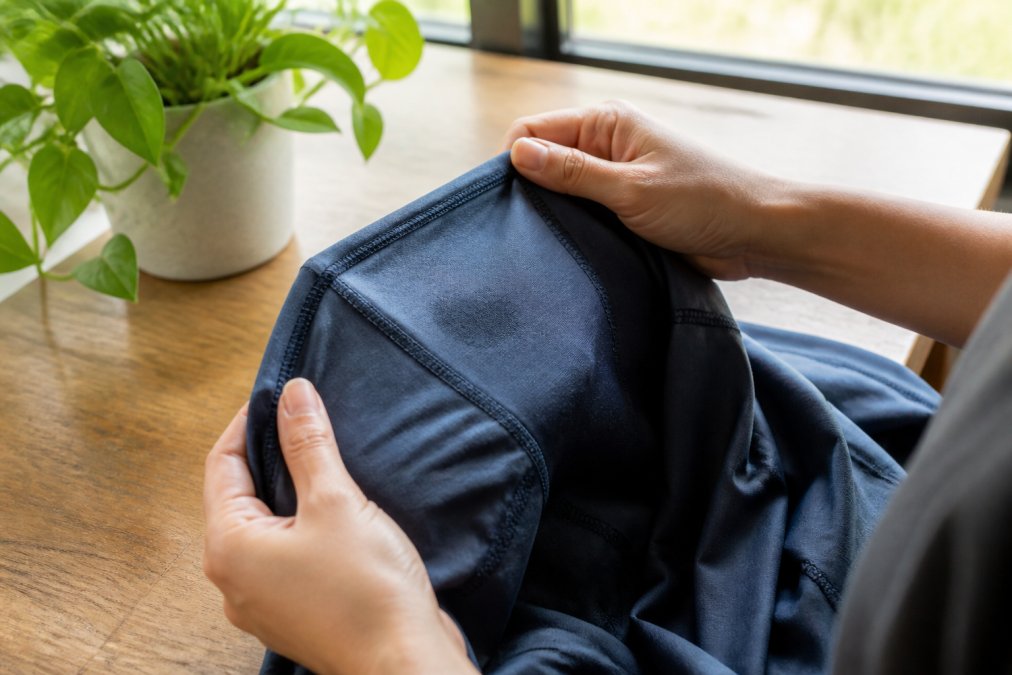
Turn your garment inside out to protect the outer surface from friction and reduce pilling. Check all seams, hems, and high-wear areas for existing damage. Repair small holes or loose threads before washing, as water pressure can turn minor issues into major tears.
Identify any visible stains and determine whether they're water-based (like sweat or juice) or oil-based (like sunscreen or grease). Empty all pockets and remove removable hardware like metal clips or plastic attachments.
Step 2: Choose Your Washing Method
Hand washing is gentler and extends garment life significantly. Fill a sink or basin with lukewarm water around 65-75°F. Add mild detergent and let it dissolve fully before submerging the garment. Soak for 10-15 minutes to allow detergent to penetrate fibers without aggressive agitation.
For machine washing, use a delicate or hand-wash cycle with cold water. Place your garment inside a mesh laundry bag to reduce friction with the drum. Add detergent according to bottle instructions; excess soap leaves residue that dulls the fabric.
Most Kritter Komfort pieces are machine-wash friendly.
Step 3: Select the Best Detergent for Performance Fabrics
Use a mild detergent specifically formulated for delicate or athletic wear. These products have gentler surfactants that clean without damaging fiber structure. Look for detergents labeled "sport," "technical," or "performance fabric" friendly.
Avoid fabric softeners entirely. They coat the fabric with waxy residue that reduces breathability and moisture-wicking capability. For performance activewear, breathability is essential.
If dealing with stubborn odors, add white vinegar (about one-quarter cup) to the rinse water instead of using scent boosters. Vinegar neutralizes odors without leaving chemical residue.
Step 4: Wash with Proper Water Temperature
Lukewarm water, around 65-75°F, is the sweet spot for performance fabrics. Cold water doesn't activate detergent effectively, leaving soap residue in the fibers. Hot water damages synthetic fibers, causes shrinkage, and can set stains permanently.
If hand washing, test water temperature with your wrist before submerging the garment. It should feel slightly cool to the touch. If machine washing, select the cold or delicate cycle, which typically uses water around 60°F.
Step 5: Dry Your Performance Fabric Correctly
Air drying is the only method that truly preserves performance fabrics. After washing, gently squeeze out excess water without wringing. Lay the garment flat on a clean, dry surface away from direct sunlight.
If drying vertically, hang from a padded hanger in a well-ventilated area. Never use clothesline clips, which can leave marks and stretch the fabric. Allow 24-48 hours for complete drying.
How to Remove Stains from Performance Fabric
Blot the stain immediately with a white hand towel. Don't rub; rubbing pushes the stain deeper into the fabric and damages fibers.
For water-based stains like sweat or juice, mix a solution of mild detergent and lukewarm water. Apply to the stain with a soft bristle brush using gentle circular motions, working from the outside edges toward the center. Let sit for 5-10 minutes, then rinse thoroughly with clean lukewarm water.
For oil-based stains like sunscreen or grease, apply undiluted mild detergent directly to the stain. Let sit for 15 minutes to break down the oil, then gently work the detergent into the fabric with a soft brush using light pressure. Rinse with lukewarm water until soap is completely gone.
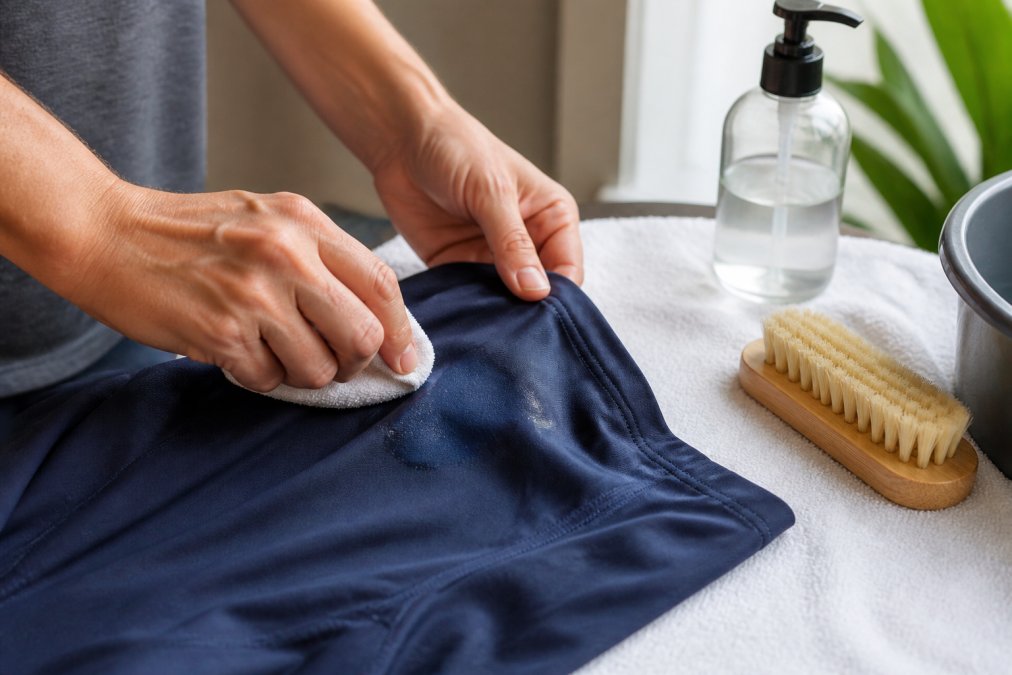
Never use hot water on stains; heat can set them permanently. If a stain doesn't come out after the first attempt, let the garment air dry completely before trying again.
Blotting vs. Rubbing: Which Technique Protects Fiber Integrity
Blotting means pressing a towel against the stain and holding it there, using absorption to pull the stain out of the fabric. Rubbing means moving the towel back and forth, which pushes the stain deeper into the fabric structure and damages fibers through friction.
Always blot first. Press a white hand towel against the stain for 10-15 seconds, then check the towel. If the stain transferred, repeat with a clean section. Once blotting stops removing stain, then move to gentle circular motions with a soft brush if needed.
For fresh stains, blotting alone often removes 80-90% of the mark. The remaining residue usually comes out during regular washing.
Common Mistakes to Avoid When Washing Performance Fabrics
Using hot water is the number-one mistake. Lukewarm water cleans just as effectively while protecting the fabric.
Overloading the washing machine reduces water circulation and increases friction between items, causing pilling and accelerated wear. Wash performance fabrics in smaller loads.
Using regular detergent instead of mild detergent damages the fabric's properties. Standard laundry detergent contains harsh chemicals that break down stretch and breathability.
Fabric softener and dryer sheets reduce breathability and moisture absorption, defeating the purpose of performance fabrics.
Wringing the garment after washing causes stretching and fiber damage. Gentle squeezing removes excess water without harm.
Machine drying, even on low heat, degrades performance fabrics faster than any other single action. Air drying preserves the garment's properties for years.
Not checking care labels is perhaps the most common mistake. Each fabric type has specific requirements.
Maintenance and Routine Care Between Washes
Hang your garment immediately after wearing it. Don't leave sweaty clothes in a gym bag or on the floor. Moisture and bacteria create odors and discoloration.
Inspect your garment regularly for signs of wear. Small holes, loose threads, and pilling are easier to address early. Repair minor damage before it becomes major.
Air out your garment between wears. Most performance fabrics can be worn 2-3 times before washing. Hanging in a well-ventilated area allows sweat to dry and odors to dissipate naturally.
Avoid storing performance fabrics in plastic bags or airtight containers. These trap moisture and create an environment where bacteria and mold thrive. Use breathable storage like cotton bags or open shelving.
If you notice pilling, use a fabric shaver or depilling tool carefully. Never pick at pills with your fingers, as this causes more damage than the pills themselves.
For garments with bold designs, turn them inside out before storing to protect the printed or dyed surface from fading.
Performance fabrics demand specific care, but the effort pays off through extended garment life and maintained performance. These techniques work across all quality activewear, especially for pieces designed for intense training like Kritter Komfort's machine-wash friendly collection. Start with the step-by-step process, master blotting over rubbing, and avoid the common mistakes most people make. Your performance fabrics will maintain their stretch, breathability, and shape through dozens of washes. Shop All Kritter Komfort pieces and experience how proper care keeps your investment performing at its best.
Frequently Asked Questions
Can performance fabric be washed in a machine?
Yes, most performance fabrics can be machine washed if you follow the care label instructions. Use a gentle cycle with lukewarm water and mild detergent. Turn your garment inside out to reduce pilling and friction. Avoid bleach and fabric softeners, which can damage synthetic fibers and reduce breathability. Always check the cleaning codes on your specific garment before washing.
How do I remove stains from performance fabric without causing fiber damage?
Treat stains immediately using the blotting technique with a white hand towel and mild cleaning solution. For water-based stains, use cool water; for oil-based stains, use a specialized upholstery cleaner or mild soap solution. Apply the solution to the stain, blot gently (never rub), and rinse with lukewarm water. Blotting preserves fabric integrity better than rubbing, which can push stains deeper and damage synthetic fibers.
What is the best detergent for performance fabrics?
Choose a mild detergent specifically formulated for synthetic fibers or performance fabrics. Avoid heavy-duty detergents, bleach, and fabric softeners, which can break down the fabric's breathability and stretch properties. Use less detergent than you normally would, performance fabrics need minimal soap to rinse clean. Liquid detergents work better than powders for preventing residue buildup that can affect moisture absorption.
Do performance fabrics shrink after washing?
Performance fabrics are engineered to resist shrinking when washed correctly. Use lukewarm water (not hot), a gentle cycle, and air dry instead of tumble drying to minimize any shrinkage risk. High heat is the primary cause of shrinkage in synthetic fibers. If your garment does shrink slightly, it's usually less than 2-3% with proper care. Always follow the cleaning codes on your care label for best results.
This article was written using GrandRanker