

Table of Contents
- Why Non-Flashy Athletic Training Clothes Matter
- Essential Workout Basics for Beginners
- Minimalist Gym Wear for Men: Building a Foundation
- Best Sweat-Wicking Fabrics for Performance
- Freedom of Movement and Layering Strategies
- Building a Capsule Gym Wardrobe
- The Psychology of Non-Flashy Training
- Care and Maintenance for Longevity
Non-Flashy Athletic Training Clothes: The Complete Guide
Last Updated: August 4, 2026
When choosing workout gear, most people chase logos and flashy designs. But the athletes who perform best focus on something simpler: clothes that move with them, breathe properly, and don't demand attention. This guide from Kritter Komfort covers everything you need to know about building a wardrobe of non flashy athletic training clothes that actually work. We'll walk you through fabric selection, fit principles, layering strategies, and how to construct a capsule gym wardrobe that transitions seamlessly from intense training to everyday wear.
Why Non-Flashy Athletic Training Clothes Matter
When your clothes don't demand attention, your mind stays focused on form, breathing, and movement. According to research from American Council on Exercise, athletes who wear neutral, performance-focused gear report higher concentration levels during workouts compared to those in visually distracting apparel.
Non flashy athletic training clothes prioritize technical fabrics designed for movement and sweat management. Seams are positioned for comfort, stretch panels align with your range of motion, and moisture-wicking technology works without interference.
Serious lifters and athletes recognize that visible branding often correlates with lower-quality construction. Kritter Komfort's approach reflects this shift: bold but understated designs paired with breathable, stretch-friendly fabrics and durable stitching that prioritize function over flash.
Essential Workout Basics for Beginners
Starting a training routine requires just three core pieces: a moisture-wicking top, bottoms with adequate stretch, and a light layer for warmth or transitions.
A quality base layer handles sweat and regulates temperature. Look for synthetic blends or merino wool rather than cotton, which absorbs moisture and stays wet against your skin. The fit should be snug enough to move with you but not restrictive.
Bottoms require freedom of movement. Your waistband shouldn't dig in during heavy squats, and fabric shouldn't bunch at your knees or ankles. Four-way stretch construction gives you the range you need without feeling restrictive.
:::pro Many beginners buy oversized clothing thinking it's more comfortable. Properly fitted athletic wear moves with your body and actually feels less constrictive than loose gear that shifts during exercise. :::
A light outer layer, a zip-up hoodie or windbreaker, keeps you warm during warm-ups and provides something to remove as your body temperature rises. One quality top, one pair of bottoms, and one light layer cover 90% of your training needs.
Minimalist Gym Wear for Men: Building a Foundation
Men's minimalist gym wear starts with a single principle: fit matters more than features. A t-shirt that fits your shoulders properly will outperform an expensive technical shirt that bunches at the torso.
Fit and Comfort Over Logo Placement
Proper fit means the shoulder seams sit where your shoulders actually are. Armholes should allow full range of motion without the sleeve fabric pulling at your chest. Waistband construction is critical for bottoms, a secure waistband with internal drawstrings prevents constant adjustment during your session. Kritter Komfort's athletic cuts are true to size specifically to address this.
Length is often overlooked. Shorts should hit just above the knee, giving you freedom to squat or lunge without fabric riding up. Tights should extend to your ankles without excess fabric pooling at your feet.
Color and Design Principles
Neutral colors, black, navy, charcoal, olive, and gray, form the foundation of minimalist gym wear. These colors hide sweat stains better than lighter options, match across different pieces and brands, and create a cohesive look without requiring coordinated outfits.
Subtle design elements replace logos. A tonal stripe, textured panel, or minimalist embroidery provides visual interest without visual noise. Athletes report feeling more focused and less self-conscious in understated gear.
Best Sweat-Wicking Fabrics for Performance
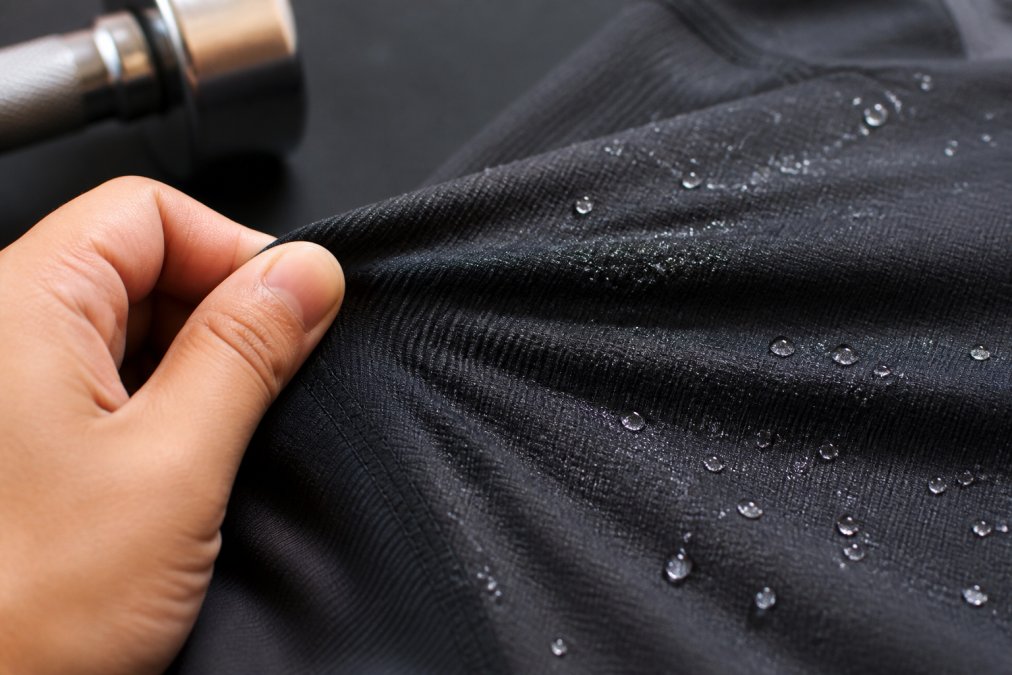
Moisture management during intense training is foundational. The right fabric pulls sweat away from your skin, allows it to evaporate quickly, and prevents the clammy feeling that comes with cotton or poorly designed synthetics.
Synthetic Blends vs. Natural Fibers
Synthetic fabrics like polyester and nylon dominate performance athletic wear because they excel at moisture-wicking. Polyester moves moisture away from your skin and dries quickly, even during heavy sweating. Merino wool offers different advantages: it regulates temperature effectively, naturally resists odor, and feels softer than synthetics. Many quality athletic pieces combine both: a synthetic blend for the primary fabric and merino accents for areas that benefit from odor resistance.
Four-Way Stretch and Technical Construction
Four-way stretch fabric moves with your body in all directions: up-down, side-to-side, and diagonally. This construction is particularly important for compound movements like squats, deadlifts, and overhead presses. Technical construction goes beyond stretch capability. Flatlock seams prevent chafing by eliminating the ridge that standard seams create. Gusseted crotches in tights and shorts prevent tearing and allow deeper ranges of motion. Reinforced stress points at the shoulders and waistband extend garment lifespan through heavy training.
Freedom of Movement and Layering Strategies
Restricted movement during training compromises form and limits your ability to train hard. Your clothing should expand your range of motion, not constrain it.
Layering for Gym Environments
Layering serves multiple purposes. Your body temperature changes dramatically from warm-up to peak exertion to cooldown. Strategic layering lets you adjust without interrupting your session.
A moisture-wicking base layer sits directly against your skin, pulling sweat away. A mid-layer, typically a t-shirt or long-sleeve top, provides additional coverage while still allowing moisture to pass through. A light outer layer like a hoodie or windbreaker handles warmth during warm-ups. Each layer should fit close enough to move with your body but loose enough to layer comfortably. Start slightly cool during warm-ups; you'll warm up quickly once training intensity increases.
Ergonomic Design for Lifting and Cardio
Lifting demands maximum shoulder mobility, stable waistbands that won't shift during heavy squats, and sleeves that don't restrict arm movement. Quality gym wear accommodates both activities. Sleeve length and cut should allow full shoulder rotation without fabric pulling at your chest or back. Waistbands need to stay secure during both static heavy lifts and dynamic cardio movements.
Gussets, reinforced fabric panels at movement points, prevent tearing and allow greater range of motion. Positioned correctly, they expand your ability to move explosively without worrying about fabric failure.
Building a Capsule Gym Wardrobe
A capsule wardrobe approach means investing in fewer, higher-quality pieces that work together across multiple activities. Rather than buying lots of mediocre gear, you build a foundation of versatile pieces that transition from gym to everyday wear seamlessly.
Core Pieces That Work Together
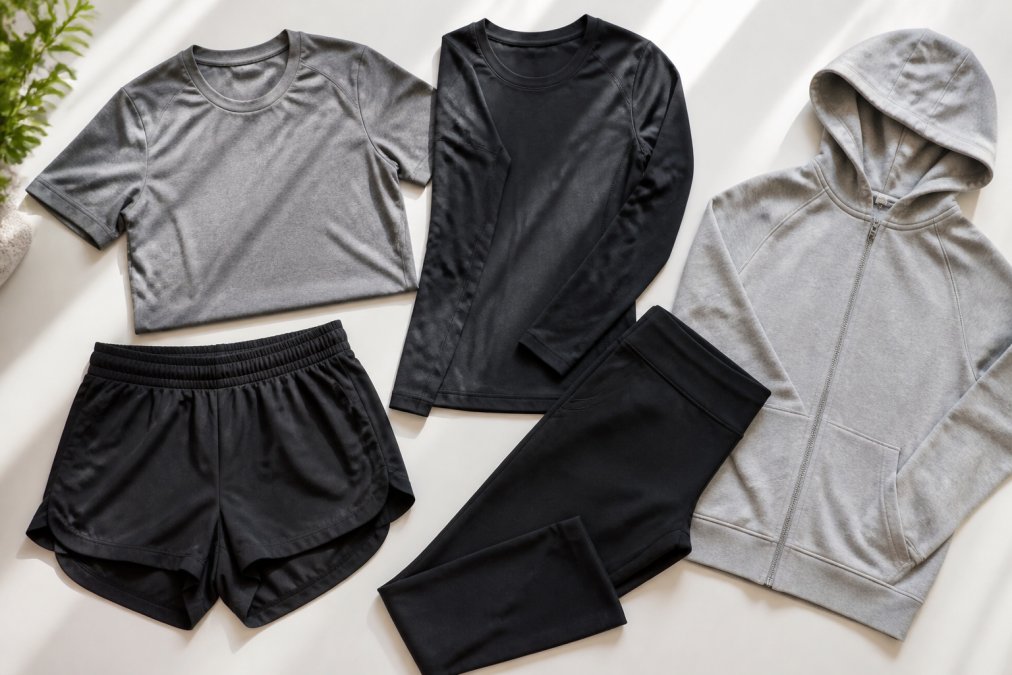
Start with three neutral-colored tops: one short-sleeve, one long-sleeve, and one zip-up layer. For bottoms, choose two pairs in complementary colors: black and navy work well, as do gray and charcoal. One pair should be slightly shorter for warm weather or high-intensity cardio. The other should be full-length for cooler temperatures.
A light outer layer, a windbreaker or zip-up hoodie in a neutral color, handles temperature regulation and transitions between environments. This core of five pieces creates dozens of outfit combinations. Each piece works with every other piece, so you're never stuck without something clean to wear.
Versatility From Gym to Everyday
The best gym wear doesn't look out of place outside the gym. Neutral colors and minimalist design mean you can wear your training clothes to casual settings without appearing like you're in athletic gear. Pair your training shorts with a casual t-shirt for running errands. Wear your leggings with an oversized sweater for coffee. Quality construction supports this versatility. Machine-washable fabrics that don't pill or fade maintain their appearance whether you're training or going out.
The Psychology of Non-Flashy Training
The decision to wear understated gym wear reflects a mindset shift toward training for results rather than appearances. Athletes who wear non flashy athletic training clothes typically report higher focus, less self-consciousness, and stronger commitment to consistent training.
Visual simplicity reduces cognitive load. When your clothes don't demand attention, your brain has more capacity to focus on movement quality, breathing, and form. Research from Journal of Sports Psychology demonstrates that athletes wearing neutral-colored, minimalist gear show measurably better form consistency compared to those in visually complex or logo-heavy apparel. Confidence built on capability rather than appearance is more resilient and creates sustainable motivation.
Care and Maintenance for Longevity
Proper care extends the lifespan of your athletic wear significantly. Most premature failure comes from incorrect washing, drying, or storage rather than actual wear during training.
Machine-Wash Durability and Fabric Preservation
Machine washing athletic wear is appropriate when done correctly. Use cold water; hot water breaks down elastic fibers and causes colors to fade. Wash with like colors to prevent dye transfer. Use a gentle cycle rather than heavy duty. Sports-specific detergents are formulated to clean without leaving buildup that reduces moisture-wicking capability. Avoid fabric softener entirely, as it coats fabric and blocks moisture-wicking properties.
Air drying preserves elasticity and shape. Hang dry most pieces or lay flat for items prone to stretching.
Preventing Pilling and Extending Lifespan
Pilling results from friction between fabric fibers and external surfaces. Prevent it by turning garments inside out before washing. A fabric shaver removes pills without damaging underlying fabric.
Storage affects longevity. Fold athletic wear rather than hanging it on tight hangers, which can cause stretching. Store in a cool, dry place away from direct sunlight, which fades colors.
Building a wardrobe of non flashy athletic training clothes means prioritizing performance, fit, and durability over visual impact. The right pieces support your training intensity, transition seamlessly into everyday wear, and maintain their quality through consistent use. Kritter Komfort delivers exactly this: breathable, stretch-friendly fabrics with durable stitching, athletic cuts that are true to size, and bold but understated designs that work for gym sessions and beyond. Start with a capsule foundation of quality basics, focus on proper fit and fabric construction, and let your training results speak louder than your clothing choices. Shop All at Kritter Komfort and build the gym wardrobe that actually supports how you train.
| Fabric Type | Moisture-Wicking | Durability | Best For | Price Point |
|---|---|---|---|---|
| Polyester Blend | Excellent | High | High-intensity training | Moderate |
| Nylon Blend | Excellent | Very High | Heavy lifting, cardio | Moderate-High |
| Merino Wool | Good | High | Odor resistance, temperature | Higher |
| Cotton Blend | Poor | Moderate | Casual wear only | Low |
Frequently Asked Questions
What makes non-flashy athletic training clothes better for intense workouts like lifting and cardio?
Understated athletic training clothes prioritize function over visual distraction. Moisture-wicking fabrics, four-way stretch construction, and ergonomic fits support your range of motion and sweat management without unnecessary logos or embellishments. This means better breathability, durability through repeated washes, and freedom of movement during heavy lifting or cardio sessions. The focus stays on your performance, not the design.
How do I choose the right fit and comfort in minimalist gym wear for men?
Look for athletic cuts that are true to size, with enough room through the shoulders and chest for unrestricted movement. Test the fit by performing your typical movements: a squat, a shoulder press motion, or a running stride. The fabric should move with you, not against you. Seamless construction and flatlock seams prevent chafing during intense training. Avoid anything too tight that restricts breathing or too loose that bunches during exercise.
What sweat-wicking fabrics should I look for in my capsule gym wardrobe?
Best sweat-wicking fabrics include synthetic blends like polyester and nylon, which pull moisture away from skin faster than natural fibers alone. Look for technical fabrics labeled as moisture-wicking or quick-drying. Many high-performance pieces combine synthetic materials with natural fibers for breathability and comfort. Four-way stretch fabrics offer both moisture management and unrestricted range of motion. Check product descriptions for anti-odor treatments and temperature regulation properties.
How do I maintain non-flashy athletic training clothes to make them last longer?
Machine-wash friendly gear should be washed in cold water on a gentle cycle to preserve elastic fibers and prevent pilling. Turn items inside out before washing to protect the fabric surface. Avoid fabric softener, which breaks down moisture-wicking properties. Air-dry when possible; high heat damages synthetic blends. Inspect seams and hems regularly for stress points. Proper care extends lifespan significantly, making durable pieces a better long-term investment than cheaper alternatives that degrade after a few months.
This article was written using GrandRanker