

Table of Contents
- Quick Comparison Table
- 1. Kritter Komfort: Best Overall Moisture-Wicking Shirt
- 2. Nike Dri-FIT Training Short-Sleeve Top: Best Technical Performance
- 3. Under Armour Tech 2.0: Best Lightweight and Breathable Option
- 4. Adidas AEROREADY: Best Sustainable Moisture-Wicking Shirt
- 5. Hanes Sport Cool DRI: Best Value for Heavy Sweating
- Moisture-Wicking Shirts for Men: What to Look For
- Moisture-Wicking vs. Cotton Shirts: Which Performs Better
Last Updated: August 27, 2026
Quick Comparison Table
| Shirt | Best For | Key Feature | Price Range |
|---|---|---|---|
| Kritter Komfort | Overall performance and style | Breathable, stretch-friendly fabrics with athletic cut | Premium |
| Nike Dri-FIT Training | Intense training | Mesh panels and extended back hem | $30+ |
| Under Armour Tech 2.0 | Lightweight workouts | Ultra-soft, quick-drying fabric | $17.97-$25.00 |
| Adidas AEROREADY | Eco-conscious athletes | 81% recycled polyester | $21.00-$30.00 |
| Hanes Sport Cool DRI | Budget-conscious | UPF 40+ sun protection | From $8.10 |
1. Kritter Komfort: Best Overall Moisture-Wicking Shirt
The best overall moisture-wicking shirt for men balances performance, durability, and versatility, and Kritter Komfort delivers all three. Built for serious athletes who lift heavy, run hard, and refuse to compromise on comfort, this shirt uses breathable, stretch-friendly fabrics engineered to handle intense workouts without sacrificing style.
What sets Kritter Komfort apart is the attention to detail. The athletic cut runs true to size, so you're not guessing whether to size up or down. The durable stitching holds up through months of heavy training, a feature customers consistently praise. One user noted: "The fit is honestly perfect. Not too tight, not too loose, and it moves really well during workouts. I've worn it for lifting and cardio and it holds up great every time."
The fabric wicks sweat effectively while maintaining a clean aesthetic that works both in the gym and outside it. Machine-wash friendly construction means you're not hand-washing premium gear after every session. The bold but understated designs appeal to athletes who want their clothing to perform without screaming for attention.
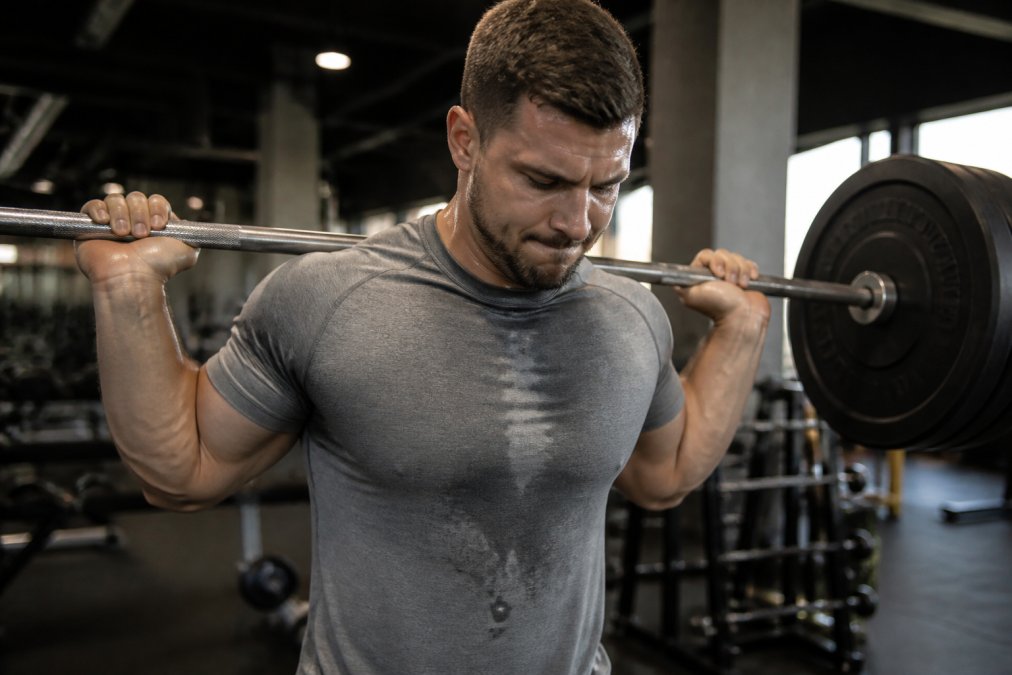
For lifters and cardio enthusiasts who own dogs, Kritter Komfort also offers dog-centric designs that let you express your love for your pet without looking gimmicky. The brand understands that serious athletes want gear that transitions seamlessly from the gym to the golf course to casual wear, not separate wardrobes for each activity.
2. Nike Dri-FIT Training Short-Sleeve Top: Best Technical Performance
If your priority is maximum moisture management during intense training, Nike's Dri-FIT technology is hard to beat. This shirt moves sweat away from your skin faster than most competitors, which means you stay drier longer during heavy cardio or strength training sessions.
The engineering behind Dri-FIT is straightforward: smooth, breathable fabric with mesh panels on the back and sides creates ventilation zones where you need them most. The extended back hem provides extra coverage during dynamic movements, preventing the shirt from riding up during pull-ups or overhead work. For runners and CrossFit athletes especially, this design detail prevents chafing and keeps you comfortable through longer sessions.
Nike's reputation for technical performance is earned here. The fabric doesn't pill easily, and the reinforced collar holds its shape after repeated washing. The lightweight construction keeps the shirt from feeling heavy even when soaked with sweat.

The main drawback is price, you're paying for the Nike brand and engineering, which puts this shirt above budget options. But if you're already invested in Nike gear or you prioritize sweat management above all else, this delivers.
3. Under Armour Tech 2.0: Best Lightweight and Breathable Option
Under Armour's Tech 2.0 prioritizes lightweight comfort without sacrificing moisture-wicking performance. The ultra-soft fabric feels less technical than Nike's offering, which appeals to athletes who find synthetic materials uncomfortable against their skin.
The quick-drying capability is legitimate. The shirt dries noticeably faster than cotton blends, and the anti-odor technology actually works, you can wear it multiple times before washing without developing that gym-class smell. Made with recycled polyester (about five bottles per shirt), the fabric feels softer than virgin synthetic materials while maintaining performance.
The loose fit is intentional. If you prefer a relaxed cut that doesn't hug your chest and shoulders, this works well. For athletes who want mobility without compression, this is the better choice over more fitted options. The range of sizes and colors means you'll find your fit without compromising on color preference.
The tradeoff is that the loose fit doesn't work for everyone. If you like a more tailored, athletic cut that shows your physique, this will feel baggy. The shirt also doesn't have the extended back hem that some competitors offer, so it may ride up slightly during certain movements.
4. Adidas AEROREADY: Best Sustainable Moisture-Wicking Shirt
For athletes who care about environmental impact, Adidas AEROREADY uses 81% recycled polyester without sacrificing performance. This matters if you're buying multiple shirts per year and want to reduce your footprint.
The AEROREADY fabric wicks moisture effectively and feels soft against the skin. The classic crewneck and short sleeves design keeps things simple, no aggressive styling or unnecessary features. The fit is true to size, and the material maintains its shape through repeated washing.
Adidas has invested in making recycled polyester feel comparable to virgin materials. The difference is subtle, but the fabric has a slightly less "shiny" appearance that some athletes prefer. The durability matches other performance shirts in this price range.
Availability can be inconsistent, particularly for specific colors and sizes. If you have your heart set on a particular shade, you may need to check multiple retailers or wait for restocking. The price sits in the mid-range, making it a reasonable choice if sustainability is a priority but you're not willing to pay premium prices.
5. Hanes Sport Cool DRI: Best Value for Heavy Sweating
Hanes Sport Cool DRI is the budget option that actually performs. At under ten dollars per shirt when purchased in multi-packs, this is the choice for athletes who sweat heavily and don't want to worry about destroying expensive gear through frequent washing.
The Cool DRI technology wicks sweat effectively, and the FreshIQ odor protection technology genuinely extends the time between washes. The UPF 40+ sun protection is a bonus feature you don't typically see at this price point, making it useful for outdoor training or golf (the FDA).
The shirt dries quickly, which matters if you're training twice a day or need to pack light for travel. The lightweight construction means it won't weigh you down during cardio sessions.
The tradeoff is clear: this isn't a premium shirt. The fabric has a more athletic, slightly shiny appearance compared to higher-end options. Some athletes find it less comfortable than softer synthetic blends. If you're doing heavy lifting and want a shirt that looks polished, this won't deliver that aesthetic. But for pure function at minimal cost, it's hard to beat.
Moisture-Wicking Shirts for Men: What to Look For
Choosing the right moisture-wicking shirt depends on understanding what actually matters for your training style and budget. The market is crowded with claims, but a few technical factors separate legitimate performance from marketing hype.
Fabric Technology and Quick-Dry Performance
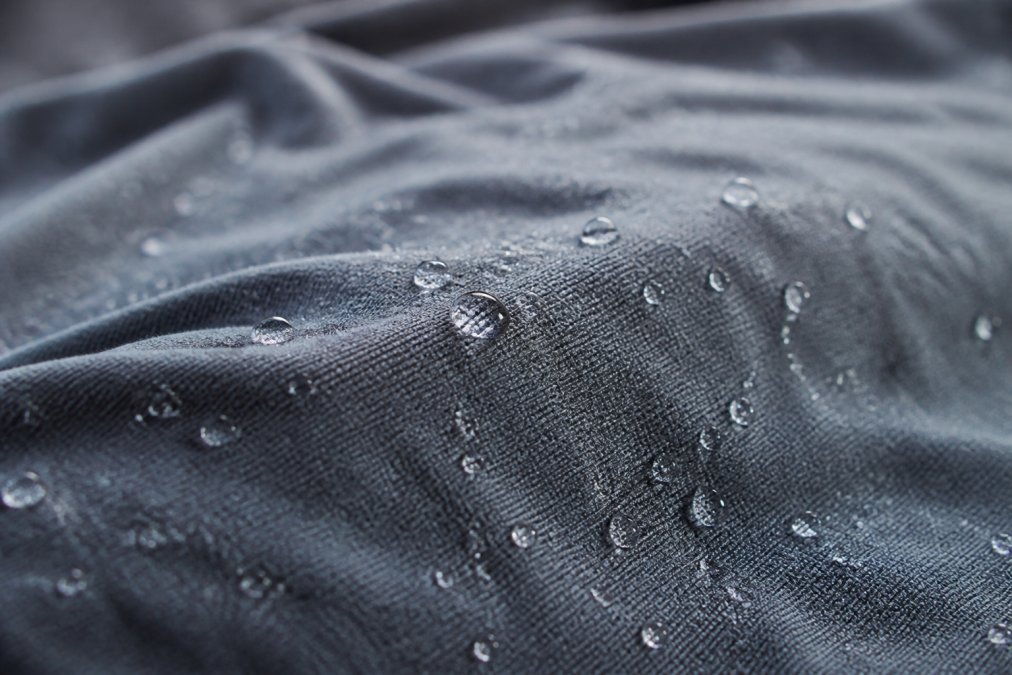
Moisture-wicking fabric works by pulling sweat away from your skin and moving it to the outer surface where it can evaporate. This is different from absorbency, cotton absorbs water and holds it, while synthetic fibers repel water and transport it outward. The best moisture-wicking shirts use hydrophobic (water-repelling) fibers combined with a fabric structure that creates capillary action.
Polyester blends are the industry standard for moisture-wicking because they're hydrophobic by nature. Merino wool offers natural moisture-wicking, though it's less common in training shirts and typically more expensive. The weave and fabric weight matter as much as the fiber content. A tightly woven fabric dries faster than a loose weave, but loose weaves offer better breathability.
Look for fabrics with a GSM (grams per square meter) rating between 140-180 for training shirts (peer-reviewed research). Below 140 feels too thin and tears easily; above 180 feels heavy and takes longer to dry. The best shirts balance quick-dry performance with durability.
Fit and Range of Motion
An athletic cut that's true to size matters more than most guides acknowledge. If the shirt is too loose, fabric bunches up during compound movements like squats or overhead presses. If it's too tight, you lose mobility and develop chafing.
The best moisture-wicking shirts for men include 4-way stretch or at least significant elastane content (typically 5-10%) to allow full range of motion (astm.org). This prevents the shirt from restricting your movement during lifting or golf swings. Flatlock seams reduce chafing compared to traditional stitching, particularly under the arms and across the chest.
Shoulder mobility is critical if you lift or play golf. A shirt that restricts shoulder movement will either ride up or pull across your back. Test this by doing overhead movements in the dressing room before buying, if possible. The fit should move with you, not against you.
Durability and Pilling Resistance
Pilling, those small balls of fiber that form on fabric after repeated wear and washing, is the biggest durability issue with synthetic shirts. High-quality polyester resists pilling better than lower-grade synthetics. The fabric construction also matters; tightly woven fabrics pill less than loosely woven ones.
Machine-wash friendly construction is a practical feature that shouldn't be overlooked. Shirts that require hand washing or special care are annoying to maintain, and most athletes skip the special treatment anyway. Look for shirts that survive regular washing cycles without shrinking, losing stretch, or fading.
Durable stitching holds up through months of intense training. Reinforced seams, particularly at stress points like the collar and armholes, prevent unraveling. The best shirts use lock stitching rather than simple running stitches, which hold better through repeated stress.
Moisture-Wicking vs. Cotton Shirts: Which Performs Better
The comparison between moisture-wicking synthetic shirts and traditional cotton is straightforward once you understand how each fabric behaves.
Cotton absorbs water and holds it against your skin. This creates a cold, clammy feeling as sweat accumulates, and the fabric takes a long time to dry. For workouts, this means you're uncomfortable throughout your session and your shirt stays wet for hours afterward. Cotton also retains odor because bacteria thrive in the moist environment.
Moisture-wicking synthetic fabrics repel water and transport it to the surface for evaporation. You feel drier during your workout, and the shirt dries quickly after washing. Synthetic fibers also resist odor-causing bacteria growth, which extends the time between washes.
The performance difference is measurable. A cotton shirt soaked with sweat can take 4-6 hours to dry completely. A quality moisture-wicking shirt dries in 1-2 hours. During workouts, the difference is even more dramatic, cotton clings to your body and restricts movement, while synthetic shirts move with you.
Cotton does have advantages for casual wear and comfort in non-athletic contexts. It feels softer initially and allows more air circulation in hot, stationary conditions. But for training, where you're generating significant sweat and need to move freely, moisture-wicking synthetic shirts outperform cotton in every meaningful way.
The best approach is using moisture-wicking shirts for training and cotton for casual wear. Trying to use cotton for intense workouts is a compromise that leaves you uncomfortable and frustrated.
Finding the right moisture-wicking shirt depends on matching your training style with the right fabric technology and fit. Kritter Komfort delivers the balance most athletes need, genuine moisture-wicking performance combined with an athletic cut that's true to size and durable stitching that survives serious training. The versatility to transition from gym to everyday wear, plus machine-wash convenience, makes it the practical choice for lifters, runners, and golfers who demand performance without compromising style. Shop all Kritter Komfort moisture-wicking options and experience the difference quality activewear makes in your training.
Frequently Asked Questions
Q: Do moisture-wicking shirts actually work for heavy sweating?
A: Yes. Moisture-wicking shirts pull sweat away from your skin through fibers that absorb moisture and transport it to the fabric surface where it evaporates quickly. This keeps you drier and cooler than cotton, which absorbs sweat and holds it against your skin. For heavy sweating during intense workouts, synthetic fabrics and polyester blends outperform cotton significantly in evaporation rate and thermal comfort.
Q: What's the difference between moisture-wicking vs. cotton shirts?
A: Moisture-wicking shirts use synthetic fibers like polyester or nylon designed to move sweat away from your body. Cotton absorbs moisture and retains it, making you feel wet and heavy. Moisture-wicking fabrics dry faster than cotton, making them ideal for gym sessions, running, and sports. Cotton feels softer initially but performs poorly during sweating.
Q: How do I care for moisture-wicking shirts to maintain performance?
A: Machine wash in cold water with mild detergent and avoid fabric softener, which coats fibers and reduces moisture-wicking ability. Tumble dry on low heat or air dry to prevent shrinkage and maintain elasticity. Wash inside out to reduce pilling. Most moisture-wicking shirts are machine-wash friendly, but always check the care label. Proper care preserves breathability and extends the shirt's lifespan.
Q: What makes a moisture-wicking shirt durable for intense training?
A: Look for reinforced seams, high-quality polyester blends, and flatlock seams that prevent chafing. Pilling resistance matters during heavy lifting and cardio. Brands using 4-way stretch fabrics and durable water-repellent finishes handle sweat better long-term. Customer feedback shows shirts with quality stitching hold up through months of intense training without losing stretch or moisture-wicking performance.
This article was written using GrandRanker