

Table of Contents
- What Causes Pilling on Athletic Shirts
- How to Wash Performance Fabrics Properly
- Best Laundry Detergent for Athletic Wear
- Choose the Right Wash Cycle and Water Temperature
- Drying Methods That Prevent Pilling
- How to Remove Pilling from Polyester
- Synthetic vs. Natural Fiber Care Differences
- Prevent Friction Damage from Gear and Movement
Last Updated: August 20, 2026
What Causes Pilling on Athletic Shirts
Pilling on athletic shirts happens when fibers break and tangle on the fabric surface, creating those annoying little balls of fuzz. Understanding how to prevent pilling on athletic shirts starts with knowing exactly what triggers the problem in the first place.
The root cause is fiber breakage from friction and abrasion. When you wear athletic gear, especially during intense workouts like lifting or cardio, your shirt experiences constant mechanical stress. Friction from movement, contact with equipment, backpack straps, or even your own body creates surface wear. Synthetic fibers like polyester and spandex are particularly vulnerable because they're prone to breaking under repeated friction rather than wearing away smoothly like natural fibers do.
Athletic shirts made from synthetic blends are engineered for performance: breathability, stretch, and moisture management. But that same synthetic construction that gives you sweat control and flexibility also makes the fabric more susceptible to pilling. The broken fibers don't shed, they knot together on the surface, creating visible pills that make even premium activewear look worn out after just a few weeks of regular training.
Temperature extremes and agitation during washing compound the problem. High-heat drying accelerates fiber breakdown. Aggressive wash cycles with heavy agitation create the same kind of mechanical stress your shirt experiences during workouts. Even detergent residue left on fibers can weaken them, making breakage more likely.
The good news: pilling isn't a sign of poor quality. It's a natural consequence of how synthetic performance fabrics work. What matters is preventing it through proper care, which is exactly what this guide covers.
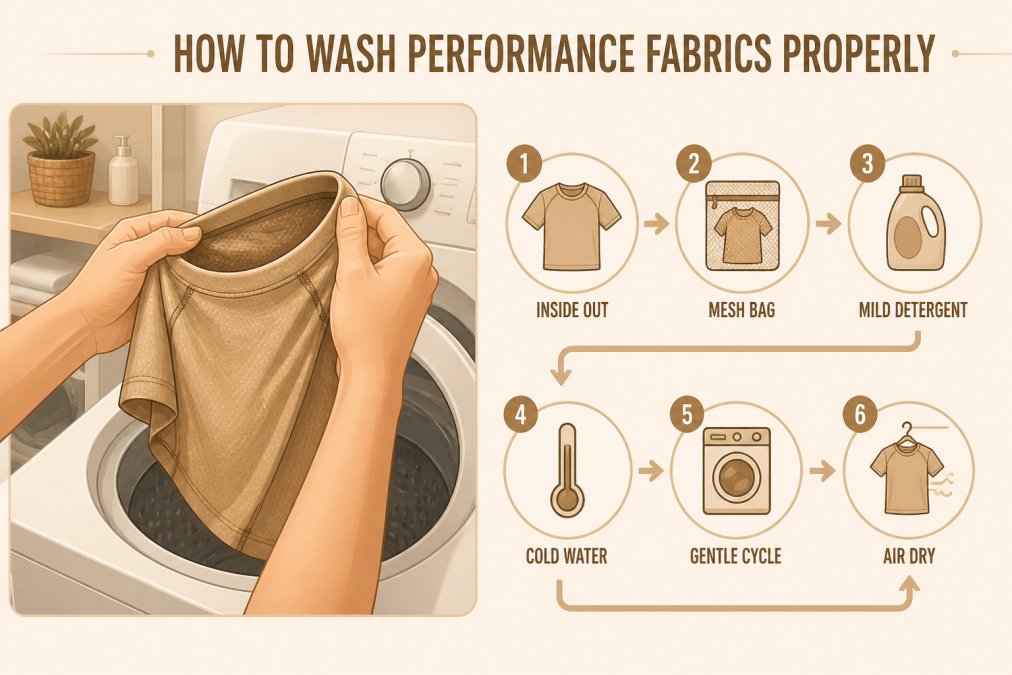
How to Wash Performance Fabrics Properly
The way you wash athletic shirts directly determines whether they'll pill after a few weeks or stay smooth for months. Most people wash performance gear the same way they wash regular clothes, which is where the damage starts.
Sort by Fabric Type and Weight
Start by separating your athletic wear from heavier items before washing. Synthetic performance fabrics need different treatment than denim, towels, or cotton basics. When you throw a lightweight polyester shirt in with heavy jeans or bath towels, the friction during the wash cycle causes immediate fiber damage.
Sort by weight and fabric content. Keep lightweight synthetic shirts together. Wash them separately from heavy cotton items, rough-textured fabrics, and anything with zippers or hardware that can snag. This single step reduces abrasion damage significantly.
Also separate by color if you're washing in warm water. Darker synthetic fabrics can bleed slightly, and separating prevents dye transfer that weakens fibers. The goal is minimizing every possible source of friction and mechanical stress during the wash cycle.
Turn Garments Inside Out
Turning your athletic shirts inside out before washing is one of the most effective ways to prevent pilling. When the inside of the fabric faces outward, the smoother inner surface takes the mechanical stress instead of the outer surface where pills form.
This works because the outer surface of performance fabrics, the side that touches your skin, is engineered for comfort and moisture management, which makes it more vulnerable to fiber breakage. The inner surface is tougher. By reversing the garment, you're protecting the visible side from the agitation and friction that happens inside the washing machine.
Make it a habit: turn every athletic shirt inside out before it goes in the wash. This takes five seconds and delivers measurable results in terms of pilling prevention.
Use a Mesh Laundry Bag
A mesh laundry bag adds another layer of protection by creating a barrier between your athletic wear and the mechanical action of the washing machine. The mesh allows water and detergent to reach the fabric while reducing direct contact with the agitator and drum.
Place your turned-inside-out athletic shirts in a mesh bag before loading the machine. This combination, inside-out garments in a mesh bag, cuts friction damage dramatically. The bag also prevents your shirts from tangling with other items, which reduces snags and fiber pulling.
Mesh bags are inexpensive and reusable. One bag typically holds 3-5 athletic shirts depending on size. They're an essential tool for anyone serious about garment longevity.
Best Laundry Detergent for Athletic Wear
The detergent you choose matters more than most people realize. Standard laundry detergents often contain enzymes and surfactants designed to break down tough stains, but these same ingredients can weaken synthetic fibers over time.
Look for detergents specifically formulated for performance fabrics or delicate synthetics. These formulations use gentler surfactants that clean without attacking fiber structure. Avoid detergents with cellulase enzymes, these are designed to break down plant-based fibers and can damage synthetic fabrics by creating micro-tears that lead to pilling.
Liquid detergents work better than powders for athletic wear. Powders don't always dissolve completely in cold water, and residue left on fibers weakens them. Liquid detergent dissolves fully and rinses out cleanly, leaving no weakening residue behind.
Use less detergent than you think you need. Athletic fabrics are engineered to wick moisture, which means they rinse easily. Excess detergent leaves residue that coats fibers and makes them brittle. A quarter of the recommended amount typically cleans just as effectively while reducing fiber damage.
Choose the Right Wash Cycle and Water Temperature
The wash cycle you select determines how much mechanical stress your athletic shirts endure. The aggressive agitation of a normal cycle is designed for heavily soiled work clothes and towels, not for delicate performance fabrics.
Use a delicate or gentle wash cycle every time. These cycles reduce agitation and spin speed, minimizing the mechanical action that breaks fibers. The wash still cleans effectively because detergent and water do most of the work; aggressive agitation is unnecessary for athletic wear.
Cold water is non-negotiable for preventing pilling. Hot water weakens synthetic fibers and accelerates degradation. Warm water is a compromise that still causes more damage than cold. Cold water wash cycles preserve fiber integrity while still delivering complete cleaning.
The combination of delicate cycle plus cold water plus a mesh laundry bag creates a protective environment where your athletic shirts can be cleaned without suffering the mechanical stress that causes pilling. This is how to wash performance fabrics properly.
Most modern washing machines have a "athletic wear" or "synthetic" cycle specifically designed for this purpose. If your machine has one, use it. If not, the delicate cycle works just as well.
Drying Methods That Prevent Pilling
How you dry athletic shirts matters as much as how you wash them. High heat is one of the primary causes of fiber breakdown and pilling.
Air drying is the gold standard. Hang your shirts on a drying rack or clothesline after washing. This eliminates all heat-related damage and allows fibers to relax back to their natural state. Air drying takes longer, but the payoff in garment longevity is substantial.
If you must use a dryer, use the lowest heat setting available. Many machines have an "air dry" or "low heat" setting specifically for synthetic fabrics. Set the timer for 20-30 minutes maximum. Remove the shirts while they're still slightly damp and lay them flat to finish drying. This approach minimizes heat exposure while still providing the convenience of machine drying.
Never use high heat or extended drying cycles on athletic wear. Tumble dry on high is designed for towels and heavy cotton items. It accelerates fiber breakdown and makes pilling inevitable.
The dryer's mechanical tumbling also contributes to pilling, even on low heat. This is another reason air drying is superior, it eliminates tumble damage entirely. If air drying isn't practical, low heat for a short cycle is the compromise that protects your investment.
How to Remove Pilling from Polyester
Even with perfect care, some pilling may still occur, especially on well-worn areas of your shirts. The good news is that existing pills can be removed without damaging the garment.
A fabric shaver or sweater stone is the most effective tool. These devices have a fine mesh or abrasive surface that catches and removes pills without harming the underlying fabric. Electric fabric shavers work quickly and require minimal effort. Manual sweater stones take longer but cost less and give you more control.
Gently run the shaver across the pilled areas in one direction. Don't press hard or use circular motions, these can damage the fabric. Light, even pressure in one direction removes pills cleanly. Work in small sections and check your progress frequently.
For stubborn pills, make multiple light passes rather than one aggressive pass. This approach removes the pills while preserving the fabric integrity underneath.
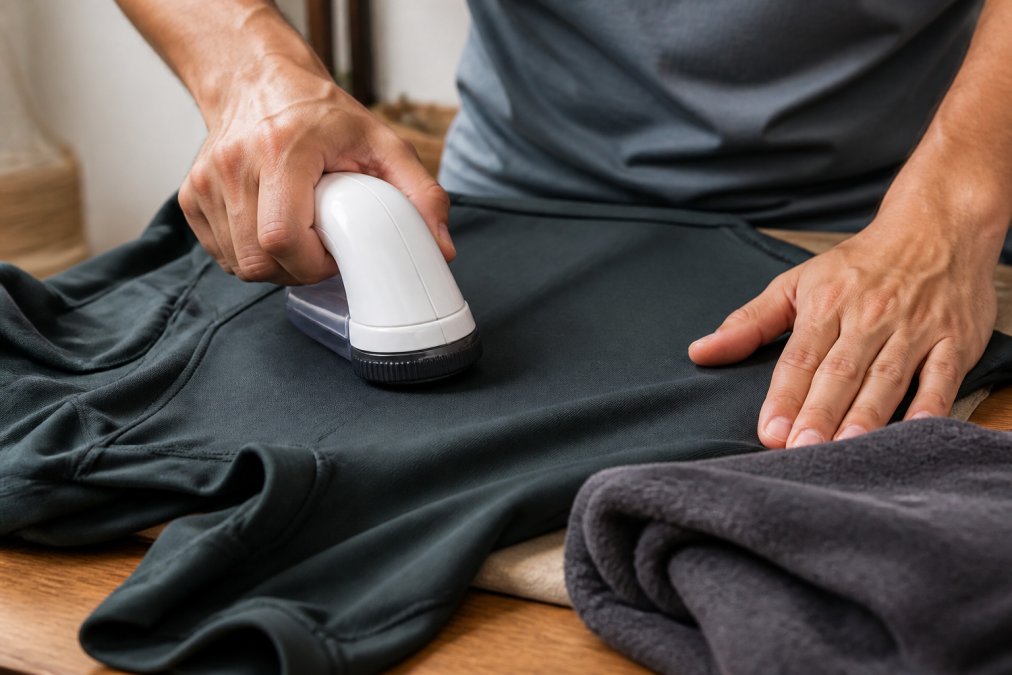
After removing pills, wash the shirt in cold water on a delicate cycle to remove any loose fibers created by the shaving process. Air dry to prevent new pilling from forming.
Synthetic vs. Natural Fiber Care Differences
Understanding how synthetic fibers behave differently from natural ones explains why athletic wear requires special care. This knowledge helps you make better decisions about how to wash and dry your gear.
Synthetic fibers like polyester and spandex are engineered polymers. They don't absorb water the way cotton or wool do. This is why they dry quickly and wick moisture, properties that make them ideal for athletic wear. But this same structure makes them more prone to pilling when fibers break under friction.
Natural fibers like cotton and wool are hollow or have a scaly structure. When they break, the fibers tend to shed or felt rather than tangle. They're less likely to form visible pills because the broken pieces don't knot together the same way synthetic fibers do.
Synthetic fibers also respond differently to heat and mechanical stress. High temperatures can melt or weaken the polymer structure, which is why polyester and spandex are damaged by high-heat drying while cotton can tolerate it better.
This is why the care instructions on athletic shirts emphasize cold water, gentle cycles, and low heat. These aren't suggestions, they're requirements for protecting the specific properties of synthetic performance fabrics.
When you wash natural fiber clothing, you have more flexibility. Cotton can handle hot water and aggressive cycles. Wool requires gentleness but for different reasons than synthetics. Athletic wear made from synthetic blends needs the specific care protocol outlined in this guide because the fiber structure demands it.
Kritter Komfort athletic shirts, designed for intense training and everyday wear, are engineered with breathable, stretch-friendly synthetic fabrics. Following these synthetic-specific care guidelines ensures your shirts maintain their performance properties and appearance through months of regular use.
Prevent Friction Damage from Gear and Movement
Beyond washing and drying, the friction your athletic shirts experience during workouts and daily wear contributes significantly to pilling. Preventing this damage requires awareness of where friction occurs and how to minimize it.
Backpack straps are a major source of friction damage. If you wear a backpack over your athletic shirt, the straps create constant rubbing on your shoulders and upper back. This targeted friction accelerates pilling in those specific areas. Solution: wear your backpack over a jacket or outer layer when possible, or adjust straps to minimize direct contact with your shirt.
Gym equipment creates friction in specific zones. Barbell contact on your shoulders, bench contact on your back, or machine contact points all create localized wear. You can't eliminate this entirely, but you can reduce it by wearing a jacket or compression gear over your athletic shirt during heavy lifting sessions.
Body movement during cardio creates friction between your shirt and your skin. This is harder to prevent, but proper fit helps. Athletic shirts that are too tight create more friction than those with appropriate fit. Kritter Komfort's true-to-size athletic cuts are designed to provide the right balance, snug enough for support during movement, but not so tight that friction increases.
Static electricity can also contribute to fiber entanglement and pilling. Using a fabric softener or anti-static spray can help, but be cautious, some fabric softeners leave residue that weakens fibers. If you use a softener, use it sparingly.
The combination of proper washing technique, appropriate drying, and awareness of friction sources during wear creates an environment where your athletic shirts stay smooth and maintain their appearance through months of intense training.
Preventing pilling on athletic shirts comes down to understanding that synthetic performance fabrics require specific care. The washing method, water temperature, drying approach, and awareness of friction sources all work together to protect your investment. When you implement these strategies, turning shirts inside out, using mesh bags, choosing delicate cycles with cold water, and air drying, you're not just preventing pilling, you're extending the lifespan of your entire athletic wardrobe. Kritter Komfort's machine-wash friendly athletic wear is built to withstand intense training, and with proper care following this guide, your shirts will maintain their performance and appearance for years. Start with the washing fundamentals covered here, and you'll notice a dramatic difference in how your athletic gear looks and performs over time.
Frequently Asked Questions
Does pilling on athletic shirts mean the fabric is poor quality?
Not necessarily. Pilling occurs when short fibers break and tangle on the fabric surface due to friction and abrasion, which can happen to any synthetic blend regardless of quality. High-performance polyester and spandex blends are especially prone to pilling because of how their fibers interact. Even premium athletic wear pills if not cared for properly. The difference between quality and poor fabrics is how much pilling occurs and how quickly it happens, not whether it happens at all.
Is it better to air dry athletic shirts to prevent pilling?
Yes, air drying is significantly better for preventing pilling than tumble drying. High heat and mechanical action in the dryer cause fibers to break and surface fuzz to tangle into pills. Lay your athletic shirts flat or hang them to air dry whenever possible. If you must use a dryer, choose a low-heat or air-dry setting and remove items promptly to minimize friction and heat exposure to your fabrics.
Does using fabric softener contribute to pilling on workout clothes?
Fabric softeners can actually increase pilling on athletic wear. They coat synthetic fibers and reduce their ability to shed loose fibers cleanly, causing them to tangle and pill instead. For performance fabrics like polyester and spandex blends, skip the fabric softener entirely. Your Kritter Komfort gear is designed to maintain its stretch and breathability without it, and avoiding softener will help preserve fabric integrity and reduce pilling.
How do I safely remove existing pills from my athletic shirts?
Use a fabric shaver or sweater stone to gently remove pills from the surface. Hold the garment taut and use light, even strokes in one direction. A fabric shaver works by cutting off pills without damaging the underlying fibers. For stubborn pills, you can also use a fine-tooth comb or lint roller, though these are less effective on polyester blends. After removing pills, wash your shirt using the proper techniques to prevent new ones from forming.
This article was written using GrandRanker