

Table of Contents
- What Causes Workout Shirt Chafing
- Moisture-Wicking Fabric Benefits and Why They Matter
- Choose the Right Fit and Seamless Construction
- Best Anti-Chafing Balms for Athletes
- How to Treat Chafing Skin After Your Workout
- Fabric Care and Laundry to Maintain Chafe Prevention
- Prevent Workout Shirt Chafing: Quick Action Steps
- Conclusion
Last Updated: August 6, 2026
What Causes Workout Shirt Chafing
Workout shirt chafing happens when repeated friction between your skin and fabric creates irritation, redness, and sometimes painful abrasions. The culprit is the combination of moisture, movement, and fabric texture working against your skin barrier. When you're lifting heavy or running long distances, your shirt moves across the same spots repeatedly, breaking down the protective layer of skin and triggering inflammation.
Cotton is the primary offender. Unlike synthetic fibers designed for athletic movement, cotton absorbs sweat and holds it against your skin, creating a damp environment where friction intensifies. Loose-fitting shirts compound the problem by shifting unpredictably during movement, while poorly placed seams can sit directly over high-friction zones like your shoulders, armpits, and chest.
Body geometry matters too. If you're broader in the shoulders or have a larger chest, standard cuts bunch up in ways that increase skin-to-fabric contact in vulnerable spots. Environmental factors amplify the problem: training in hot, humid conditions increases sweat production, while friction intensity rises with longer workout duration and higher-impact movements.
Moisture-Wicking Fabric Benefits and Why They Matter
Moisture-wicking fabrics pull sweat away from your skin and disperse it across the fabric surface, preventing the damp environment that intensifies friction and chafing. This is the single most important feature for preventing workout shirt chafing, because dry skin experiences far less abrasion than skin coated in moisture.
Synthetic fibers like polyester, nylon, and spandex blends have a fundamental advantage: they don't absorb water the way cotton does. Instead, they move moisture away from your skin through capillary action. The sweat evaporates from the fabric surface rather than pooling against your body, which means your skin stays relatively dry even during intense cardio or heavy lifting sessions.
This moisture dispersal actively reduces chafing risk by maintaining a drier skin surface where friction has less grip. Wet skin is more prone to breakdown; dry skin has better integrity and resilience. Performance fabrics also tend to have smoother textures than cotton, which further reduces the abrasiveness of repeated friction.
The breathability of moisture-wicking materials is equally important. Unlike cotton, which traps heat and humidity close to your body, synthetic blends allow air circulation. This keeps your skin temperature regulated and prevents the accumulation of heat and sweat that can trigger dermatological irritation.
Kritter Komfort's activewear uses breathable, stretch-friendly fabrics specifically engineered for this purpose. The material moves moisture away from your skin during workouts while maintaining the flexibility you need for dynamic movements like golf swings or heavy squats.
Choose the Right Fit and Seamless Construction
The best way to prevent workout shirt chafing is to eliminate the friction problem at its source: poor fit and seam placement. A shirt that fits correctly sits on your body in a stable, predictable way. It doesn't shift during movement, doesn't bunch up in high-friction zones, and distributes pressure evenly across your torso and shoulders.
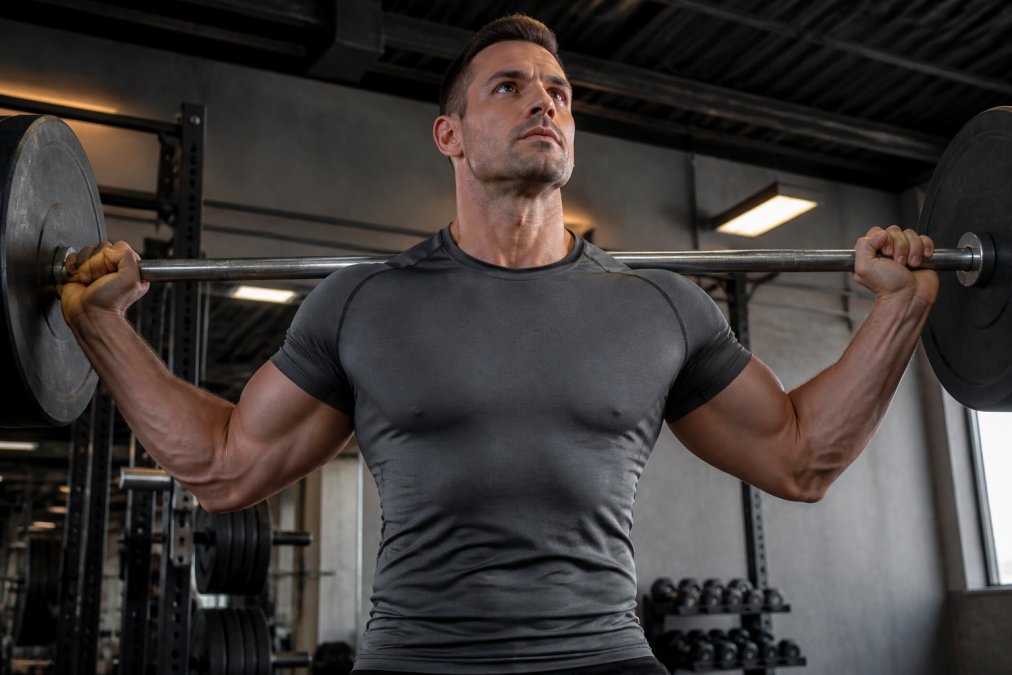
True-to-size cuts matter more than you might think. If you're between sizes, a shirt that's too loose will shift and create unpredictable friction patterns. One that's too tight restricts movement and concentrates pressure in specific spots. The athletic cut should follow your body contours without clinging, like a second skin that moves with you, not against you.
Seamless construction is critical for chafing prevention. Traditional seams create hard edges and ridges that sit directly against your skin. During repetitive movements, these seams become friction points that can irritate skin faster than smooth fabric areas. Seamless shirts eliminate this problem entirely by using bonded or welded seam techniques that create smooth transitions instead of raised ridges.
Even with traditional seams, positioning them away from high-friction zones, shoulders, underarms, and the center chest, reduces irritation risk significantly. Look for shirts where seams run along the sides of the torso rather than across the front or back where movement is most intense.
Kritter Komfort's athletic cuts are true to size and designed with durable stitching that holds up through intense training. The fit profile works for both lifting and cardio, which means you're not compromising on either movement pattern.
Best Anti-Chafing Balms for Athletes
Anti-chafing balms create a protective barrier between your skin and fabric, reducing friction intensity even when moisture and movement are present. These products work best as a supplementary prevention strategy alongside proper fit and moisture-wicking fabric.
The most effective anti-chafing balms are water-resistant (so they stay in place during sweating), reduce friction coefficient between skin and fabric, and contain ingredients that support skin barrier health. Many include silicone, which creates a slippery surface that fabric slides across more easily, or lanolin and beeswax, which provide moisture and protection without being absorbed too quickly.
Apply balm to high-friction zones before your workout, shoulders, underarms, chest, and anywhere else your shirt typically causes irritation. A thin layer is sufficient; excessive balm can make your shirt slide unpredictably. For treating chafing skin after your workout, balms with hypoallergenic formulations and skin-soothing ingredients like aloe or zinc oxide work best on already-irritated areas.
Look for products specifically formulated for athletic use rather than general-purpose balms. Athletic formulations account for high-friction zones, extended wear duration, and the specific challenge of maintaining effectiveness while sweating heavily.
How to Treat Chafing Skin After Your Workout
Once chafing occurs, your immediate priority is preventing further irritation while supporting your skin's natural healing process. Change out of your sweaty shirt immediately after your workout. Letting a damp, friction-causing shirt sit against irritated skin will only worsen the damage.
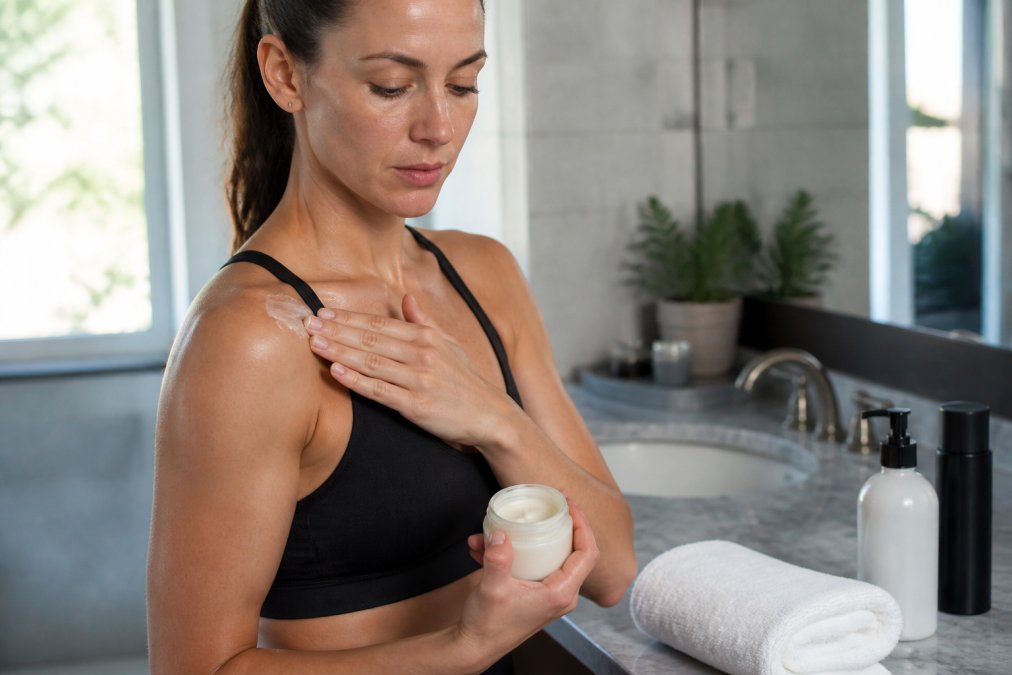
Rinse the affected area gently with cool water. Don't scrub or use harsh soaps; your skin barrier is already compromised. Pat the area dry with a clean, soft towel.
Apply a healing balm or moisturizer designed for irritated skin. Products containing zinc oxide, aloe vera, or hypoallergenic moisturizers support the skin barrier's recovery. These ingredients reduce inflammation, provide hydration, and create a protective layer that prevents further irritation from clothing or movement.
Wear loose-fitting, soft clothing for the next 24-48 hours. This gives your skin time to recover without additional friction stress. If you need to train during this recovery period, choose a fresh shirt made from moisture-wicking synthetic material and apply preventative balm before your workout. Avoid cotton entirely.
Monitor the affected area for signs of infection. If you notice increasing redness, warmth, swelling, or discharge beyond the first 24 hours, consult a healthcare provider.
Fabric Care and Laundry to Maintain Chafe Prevention
Your laundry routine directly impacts how well your shirt prevents chafing in future workouts. Improper washing and drying can degrade the moisture-wicking properties of synthetic fabrics and create texture changes that increase friction.
Machine wash your activewear in cold water using a gentle cycle. Hot water can break down elastic fibers in synthetic blends and reduce stretch and recovery. Use a mild detergent; heavy-duty or perfumed detergents can leave residue that interferes with moisture-wicking performance.
Turn shirts inside-out before washing to protect the outer surface from friction with other garments. Wash with similar fabrics rather than heavier items like towels or jeans, which can snag delicate seams.
Skip fabric softener and dryer sheets. Softeners coat synthetic fibers and reduce their moisture-wicking ability. Air dry whenever possible. If you must use a dryer, use the lowest heat setting. Most activewear should be hung dry or laid flat to preserve fabric integrity and maintain the fit profile that prevents chafing.
Check seams regularly during laundry. If you notice loose threads, small tears, or seam separation, address them immediately. Small seam issues compound with each wear, eventually creating rough edges that increase friction.
Kritter Komfort activewear is machine-wash friendly and designed to withstand frequent washing without losing performance properties.
Prevent Workout Shirt Chafing: Quick Action Steps
Preventing workout shirt chafing requires a multi-layered approach that addresses fabric choice, fit, preparation, and post-workout care.
Step 1: Choose Moisture-Wicking Fabric (Before You Buy) Select shirts made from synthetic blends, polyester, nylon, or spandex combinations, rather than cotton. Check product descriptions for explicit moisture-wicking claims. The fabric should feel smooth and have a slight stretch when you pull it.
Step 2: Verify Fit and Seamless Construction (When Trying On) Try the shirt on and perform the movements you'll do during training. The shirt should move with you without shifting, bunching, or creating pressure points. Check for visible seams on the front and back; seamless construction should feel smooth across your torso. If you're between sizes, choose the larger size to prevent bunching.
Step 3: Apply Preventative Balm (15 Minutes Before Training) Identify your high-friction zones based on previous chafing experience. Apply a thin layer of anti-chafing balm to these areas. Wait a few minutes for it to set before putting on your shirt.
Step 4: Change Immediately After Training (Within 5 Minutes) Don't sit around in your sweaty shirt. Change into dry clothes as soon as your workout ends. The longer moisture sits against your skin, the higher your chafing risk for future workouts.
Step 5: Rinse and Moisturize Irritated Areas (Post-Workout) If you notice any redness or irritation, rinse gently with cool water and apply a healing balm or hypoallergenic moisturizer. Early intervention prevents progression.
Step 6: Maintain Your Shirt's Performance (After Every Wash) Machine wash in cold water on a gentle cycle. Air dry or use the lowest dryer heat. Turn inside-out before washing. Skip fabric softener and dryer sheets.
| Step | Timing | Key Action | Impact |
|---|---|---|---|
| Choose fabric | Before purchase | Select moisture-wicking synthetic blends | Reduces sweat retention and friction intensity |
| Verify fit | When trying on | Confirm no bunching or pressure points | Eliminates unpredictable friction patterns |
| Apply balm | 15 min before workout | Coat high-friction zones thinly | Creates protective barrier during training |
| Change clothes | Within 5 min post-workout | Remove sweaty shirt immediately | Stops friction damage from extending |
| Moisturize | Immediately after | Apply healing balm to irritated areas | Supports skin barrier recovery |
| Maintain shirt | After each wash | Cold water, air dry, no softener | Preserves moisture-wicking performance |
Preventing workout shirt chafing comes down to three core strategies: choosing fabrics that manage moisture instead of trapping it, ensuring your shirt fits in a way that eliminates unpredictable friction, and protecting your skin with preventative balms during high-risk training sessions.
The real difference between an athlete who deals with chronic chafing and one who doesn't often comes down to a single decision: switching to a moisture-wicking shirt that actually fits. Kritter Komfort's activewear combines breathable, stretch-friendly fabrics with athletic cuts designed for intense training. The durable stitching holds up through months of heavy lifting and cardio, and the machine-wash friendly construction means you can maintain the shirt's performance properties without complicated care routines. Start with the right shirt, add a preventative balm during longer workouts, and you'll eliminate chafing as a training obstacle. Shop All to find the right fit for your body and training style.
Frequently Asked Questions
What causes shirt chafing during exercise?
Shirt chafing happens when friction between fabric and skin creates irritation, usually worsened by moisture and sweat. The problem intensifies with cotton clothing, which absorbs sweat instead of dispersing it. Poor fit, too tight or too loose, amplifies friction. Seam placement directly over sensitive areas like shoulders and nipples increases risk. Extended workouts and high-impact movements like lifting and cardio compound the issue. Synthetic fibers and proper fit dramatically reduce your chafing risk.
How do moisture-wicking fabric benefits prevent chafing?
Moisture-wicking fabrics pull sweat away from your skin to the outer layer, where it evaporates faster. This keeps your skin dry and reduces the friction that causes irritation. Unlike cotton, which traps moisture against your skin, wicking materials maintain a consistent skin barrier and prevent the prolonged skin-to-fabric contact that leads to dermatitis. Better breathability also supports thermal regulation during intense training, keeping your body cooler and reducing overall sweat volume.
How do I treat chafing skin after my workout?
Rinse the affected area with cool, clean water and pat dry gently. Apply an anti-chafe balm or moisturizer designed for sensitive skin to create a protective barrier. Avoid tight clothing over the area while it heals. If the skin is broken or bleeding, clean it with soap and water, apply antibiotic ointment, and cover it with a bandage. For mild irritation, repeat balm application 2-3 times daily. Severe chafing or signs of infection warrant a dermatological evaluation. Prevention is far easier than recovery.
Does tight or loose clothing prevent chafing better?
Neither extreme prevents chafing, fit profile is everything. Clothing that's too tight creates constant friction and restricts movement, especially during lifting or golf swings. Overly loose clothing bunches and shifts during activity, creating unpredictable friction points. The ideal fit is snug without compression, moving with your body without excess fabric. Seam placement also matters: seamless construction or strategically positioned seams away from high-friction zones like shoulders and armpits dramatically reduce irritation risk.
This article was written using GrandRanker