

Table of Contents
- 1. Moisture-Wicking Fabric Benefits
- 2. Four-Way Stretch and Elastane Content
- 3. Breathability and Airflow Design
- 4. Best Materials for Athletic Shorts
- 5. Seam Construction and Durability
- 6. How to Choose Durable Gym Clothes
- 7. Anti-Odor and Antimicrobial Technology
- 8. Fit, Cut, and Body-Specific Engineering
- Frequently Asked Questions
Last Updated: September 2, 2026
1. Moisture-Wicking Fabric Benefits
Moisture-wicking pulls sweat away from your skin to the outer surface where it evaporates quickly. This is the single most important feature of high-quality gym apparel because it directly impacts comfort, performance, and training duration.
Regular cotton absorbs moisture and holds it against your skin, creating a wet, heavy feeling that slows you down and causes chafing. High-quality athletic fabrics like polyester blends and technical synthetics move moisture away from your body instead, keeping you dry throughout your workout.
The best moisture-wicking fabrics combine polyester with elastane or nylon to actively transport sweat outward. Look for fabrics that feel dry to the touch even after heavy exertion. According to American Fitness Professionals and Associates guidelines on athletic wear, moisture management is critical for both performance and injury prevention during intense training.
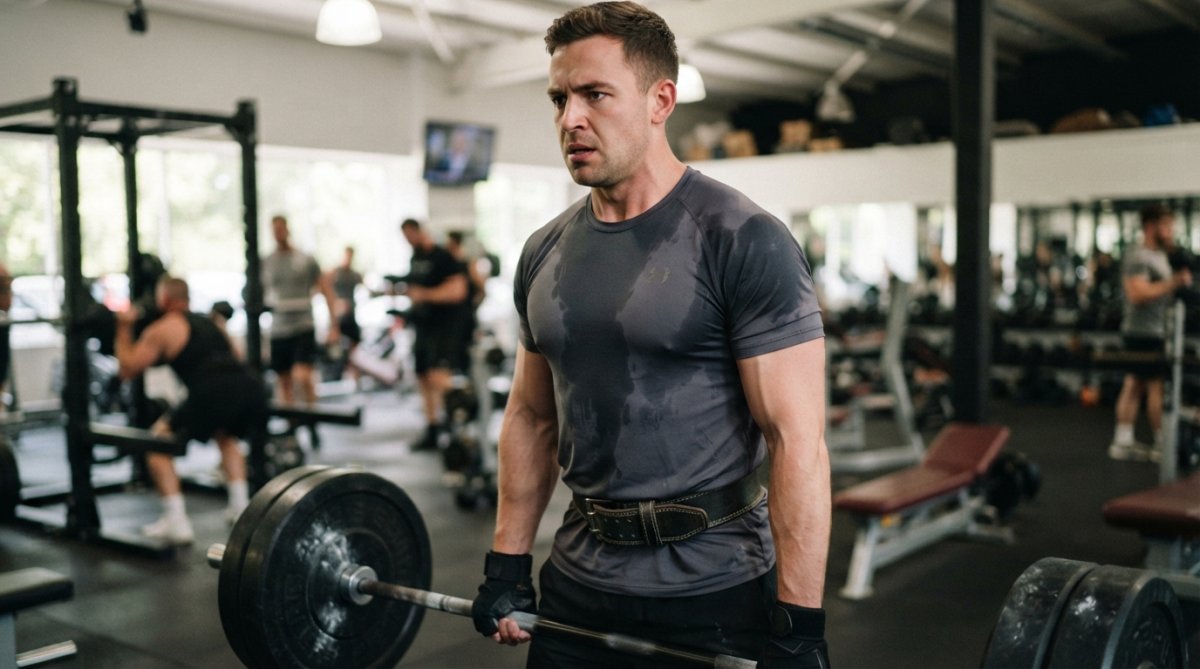
What separates premium gym apparel from budget alternatives is how efficiently the fabric manages moisture over time. Cheap moisture-wicking claims fade after a few washes because synthetic fibers break down. Quality fabrics maintain their wicking properties through dozens of wash cycles. Kritter Komfort's fabrics are engineered for durability, so your gear stays dry and performs consistently.
2. Four-Way Stretch and Elastane Content
Four-way stretch means the fabric stretches horizontally, vertically, and diagonally. This matters because your body moves in all directions during workouts, not just forward and back. Without true four-way stretch, you'll feel restricted during compound movements like squats, overhead presses, or golf swings.
Elastane (also called spandex or lycra) creates stretch. High-quality gym apparel contains 8-15% elastane blended with polyester or nylon (peer-reviewed research). Too little elastane and the fabric feels stiff; too much and it loses durability and becomes see-through. The sweet spot is around 10-12% elastane, which provides excellent flexibility while maintaining structural integrity.
When evaluating elastane content, look for fabrics that snap back immediately after stretching. If the fabric stays stretched out or shows wrinkles after you release it, the elastane is degrading or the blend is poor quality. Premium activewear bounces back to its original shape every single time.
3. Breathability and Airflow Design
Breathability refers to how easily air passes through the fabric to keep your skin cool. A fabric can move sweat away but still trap heat if it's not breathable. True breathability requires both moisture-wicking properties and strategic airflow design.
High-quality gym apparel uses engineered mesh panels in high-sweat zones: underarms, back, and sides. These lighter, open-weave panels allow air to circulate directly against your skin. Placement matters enormously, a mesh panel on your chest does little good if you're primarily sweating through your back during intense training.
Mid-weight fabrics (6-8 ounces per square yard) strike the right balance for gym use: breathable enough for cardio, durable enough for heavy lifting. Look for specifications that list fabric weight or describe the material as "lightweight technical fabric."
4. Best Materials for Athletic Shorts
Polyester dominates high-quality athletic shorts because it's lightweight, durable, and excellent at moisture-wicking. The highest-quality shorts use recycled polyester blended with virgin polyester (typically 50-70% recycled, 30-50% virgin) to improve sustainability without sacrificing performance.
Nylon often appears in the gusset (the reinforced crotch panel) for added durability and stretch. A gusset constructed from nylon with elastane creates a zone that withstands intense movement and repeated washing without tearing or losing elasticity.
The fabric blend matters more than individual materials. A 88% polyester / 12% elastane blend performs differently than 92% polyester / 8% elastane. Quality manufacturers test their specific blends extensively to find the optimal balance for their intended use.
Avoid 100% synthetic shorts without elastane, they'll feel stiff and restrict movement. Similarly, shorts with less than 5% elastane won't provide adequate stretch. The sweet spot for athletic shorts is 8-12% elastane blended with polyester or a polyester-nylon combination.
Look for shorts that specify their fabric composition clearly. Vague descriptions like "performance blend" or "technical fabric" without percentages suggest the manufacturer isn't confident in their material choices.
5. Seam Construction and Durability
Seams are where gym apparel fails first. High-quality gym apparel uses flatlock stitching or ergonomic seam placement to minimize friction and failure points.
Flatlock seams create a flat, smooth surface against your skin rather than a raised ridge, eliminating chafing and preventing the seam from catching. The stitching typically uses special nylon thread that's stronger than standard polyester and designed to flex with the fabric.
Premium athletic wear uses 8-10 stitches per inch (SPI) in seams, creating a strong bond without stress points (aatcc.org). Lower-quality garments use 5-6 SPI, creating visible gaps that can separate under stress. If you can see daylight through the stitches, the garment won't hold up to serious training.
Double-stitched seams are standard in quality gym apparel. If one row of stitches fails, the second row holds. Single-stitched seams are a cost-cutting measure that will eventually fail, especially in high-stress areas like the crotch, underarms, and armholes.
The gusset construction deserves special attention. This reinforced panel takes enormous stress during squats, lunges, and dynamic movements. Quality shorts use a multi-panel gusset (often diamond-shaped) constructed from durable nylon or nylon-elastane blend, stitched with flatlock seams.
6. How to Choose Durable Gym Clothes
Durability in gym apparel comes from intelligent material selection, seam construction, and fabric finishing, not thick, heavy fabric.
First, inspect the seams. Turn the garment inside out and look at every seam. The stitches should be tight and even with no visible gaps. Run your finger along the seam, it should feel smooth and flat, not bumpy or raised. If the seams look loose or uneven, the garment won't survive serious training.
Second, check the fabric weight and composition. Mid-weight fabrics (6-8 ounces per square yard) offer the best balance of breathability and durability. Ask for specific fiber content percentages. A quality blend for athletic shorts is 88-92% polyester with 8-12% elastane, or a polyester-nylon blend with similar elastane content.
Third, examine reinforced areas. The gusset in shorts, the underarm in tops, and any pocket areas should use heavier-weight or double-layered fabric. Quality brands reinforce these stress zones explicitly.
Fourth, test the stretch. Pull the fabric in multiple directions, it should snap back immediately without wrinkles or permanent deformation. If the fabric stays stretched or shows creases after release, the elastane is degraded or the blend is poor quality.
Fifth, wash and wear test if possible. After one wash cycle, check for pilling, color fading, or loss of stretch. These are early signs of poor durability.
Kritter Komfort designs every garment for high-quality gym apparel standards. Our durable stitching holds up through heavy lifting and cardio, and our fabric blends maintain their properties through dozens of wash cycles.
7. Anti-Odor and Antimicrobial Technology
Odor comes from bacteria breaking down sweat on your skin and fabric, not from sweat itself. Anti-odor technology either prevents bacteria from growing or neutralizes the odor they produce.
Antimicrobial fabrics use chemical treatments or embedded agents (like silver ions or copper compounds) that inhibit bacterial growth. Quality antimicrobial treatments last through 20-30 wash cycles before losing effectiveness. Budget treatments degrade after 5-10 washes.
The most effective anti-odor approach combines antimicrobial treatment with moisture-wicking and breathability. If sweat stays on the fabric, bacteria will grow regardless of antimicrobial treatment. If sweat moves away quickly, bacteria have less opportunity to establish colonies.
Look for antimicrobial claims with specifics. "Silver-ion treated fabric" or "copper-infused synthetic fiber" gives you actual information about the mechanism. The best brands are transparent about their antimicrobial approach and how long it lasts.
Quality gym clothes maintain their antimicrobial properties through standard machine washing.
8. Fit, Cut, and Body-Specific Engineering
The fit of gym apparel directly impacts performance and comfort. "True to size" means the garment fits the labeled size without requiring you to size up or down.
Body-specific engineering means the garment is designed for how your body actually moves. High-quality brands engineer different fits for different body types and movement patterns. A golf-focused short, for example, needs more room through the shoulders and waist to accommodate a full swing without bunching.
The cut of the garment determines whether it moves with you or against you. Premium athletic shorts use curved seams and angled panels that follow the natural lines of your body.
Shoulder seams should sit right at the edge of your shoulder, not on top of it. Armholes should be large enough that your arm can move freely without the fabric pulling across your chest.
Quality waistbands use elastic with a drawstring for adjustability without excess bulk. A gusseted waistband prevents rolling and bunching during movement.
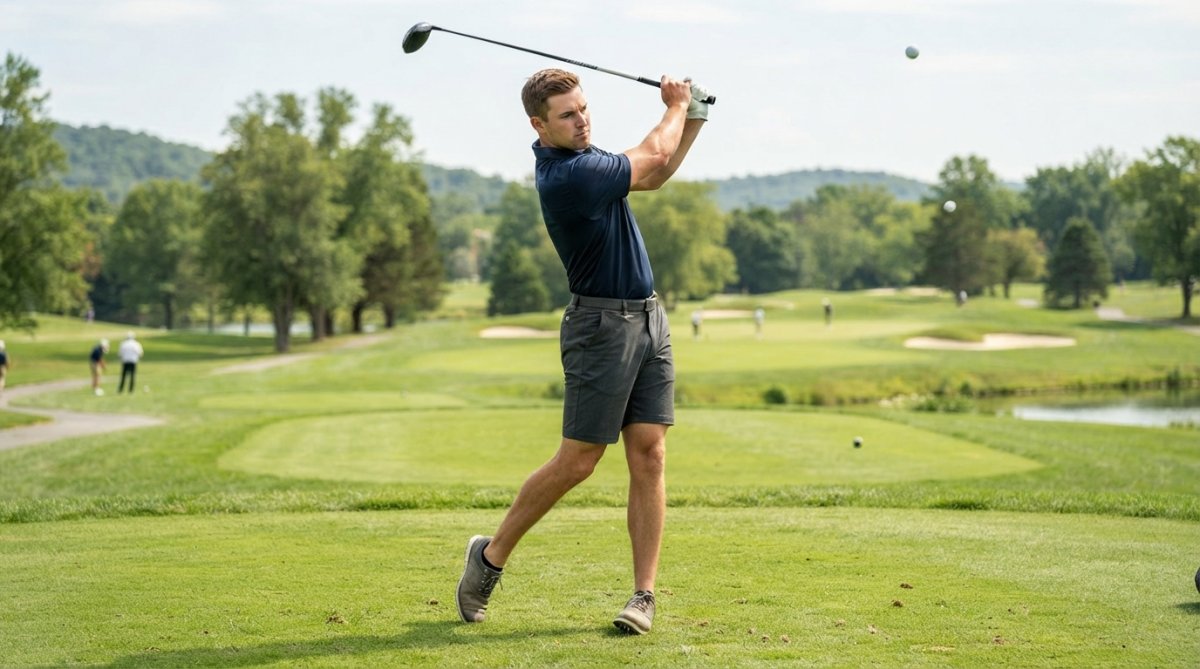
Quality brands offer multiple inseam lengths (5", 7", 9") to accommodate different heights and preferences. A proper inseam reaches just above the knee, giving you full range of motion without excess fabric.
Test fit by performing your typical workout movements. If you feel any restriction or bunching, the fit isn't right for your body type.
When evaluating high-quality gym apparel, focus on these eight essential features as a complete system. Moisture-wicking, four-way stretch, breathability, durable materials, expert seam construction, antimicrobial properties, and precise fit all work together to create gear that performs during intense training and lasts through months of heavy use.
The investment in quality gym apparel pays dividends. You'll train more comfortably, recover faster, and keep your gear longer. Kritter Komfort builds every piece of apparel with these standards in mind: breathable, stretch-friendly fabrics combined with durable stitching and athletic cuts that are true to size. Our machine-wash friendly gear supports intense workouts while transitioning seamlessly from the gym to everyday wear. Shop All and experience the difference that genuine quality engineering makes in your training.
Frequently Asked Questions
What fabric is best for high-quality gym apparel?
The best fabrics combine moisture-wicking synthetics like polyester and nylon with elastane (spandex) for stretch. Look for blends that include recycled polyester for durability and sustainability. High-quality gym apparel typically uses 80-90% polyester or nylon paired with 10-20% elastane to balance breathability, stretch, and recovery. Avoid 100% cotton, which absorbs sweat rather than wicking it away.
How can you tell if gym clothes are high quality?
Inspect the seams first, they should be flat, tight, and use flatlock or seamless construction to prevent chafing. Check fabric weight and stretch recovery by pulling the material; it should snap back immediately. Examine the waistband and cuffs for reinforcement. High-quality pieces have ergonomic gussets, strategic ventilation panels, and finished hems. Machine-wash durability is essential; quality apparel maintains its shape and elasticity after repeated washing.
Why is moisture-wicking technology important in workout gear?
Moisture-wicking fabric pulls sweat away from your skin to the outer surface where it evaporates, keeping you dry and comfortable during intense exercise. This prevents chafing, reduces odor buildup, and helps regulate body temperature. Without moisture-wicking, cotton and non-technical fabrics trap sweat against your skin, causing discomfort and increasing chafing risk. This is especially critical during high-impact activities like running or weightlifting.
Does durable stitching really matter for gym clothing?
Yes. Durable stitching is the difference between apparel that lasts months and gear that survives years of intense training. Flatlock stitching and reinforced seams prevent unraveling and chafing. Poor stitching fails under stress during heavy lifting or dynamic movements. Quality gym apparel uses high-stitch-density construction and reinforced stress points like waistbands and gussets. This is why durability directly impacts long-term value, even if upfront cost is higher.
This article was written using GrandRanker