

Table of Contents
- Understanding What 'True to Size' Actually Means
- How to Measure Your Body for Gym Clothes
- Fabric Stretch and Compression: How They Affect Fit
- Choosing Between Form-Fitting and Loose-Fit Activewear
- Durable Golf Shirts for Broad Shoulders and Athletic Builds
- Performance Fabric Care Instructions and Shrinkage Prevention
- Testing Fit Before You Commit
- Common Sizing Mistakes and How to Avoid Them
Last Updated: August 30, 2026
Understanding What 'True to Size' Actually Means
True to size means the garment fits according to standard sizing measurements without requiring you to size up or down. A medium fits a medium, a large fits a large. However, true to size doesn't mean the same thing across all brands, one company's medium might be another's small.
At Kritter Komfort, we build our athletic cuts to be true to size, meaning our sizing charts align with standard body measurements. If you measure your waist at 32 inches and your hips at 40 inches, our size chart will tell you exactly which size matches those numbers.
The challenge comes when fabric stretch, compression, and fit style enter the picture. A form-fitting activewear piece that's true to size will feel snug but not restrictive. A loose-fit garment that's true to size will have more breathing room. Both are true to size, they just feel different because of how they're designed.
How to Measure Your Body for Gym Clothes
Getting accurate body measurements is the foundation for choosing true to size gym clothes. You'll need a soft measuring tape and about five minutes.
Wear minimal clothing and have someone help you if possible. The tape should sit against your skin, not over heavy layers. Use a mirror to verify the tape sits straight and level.
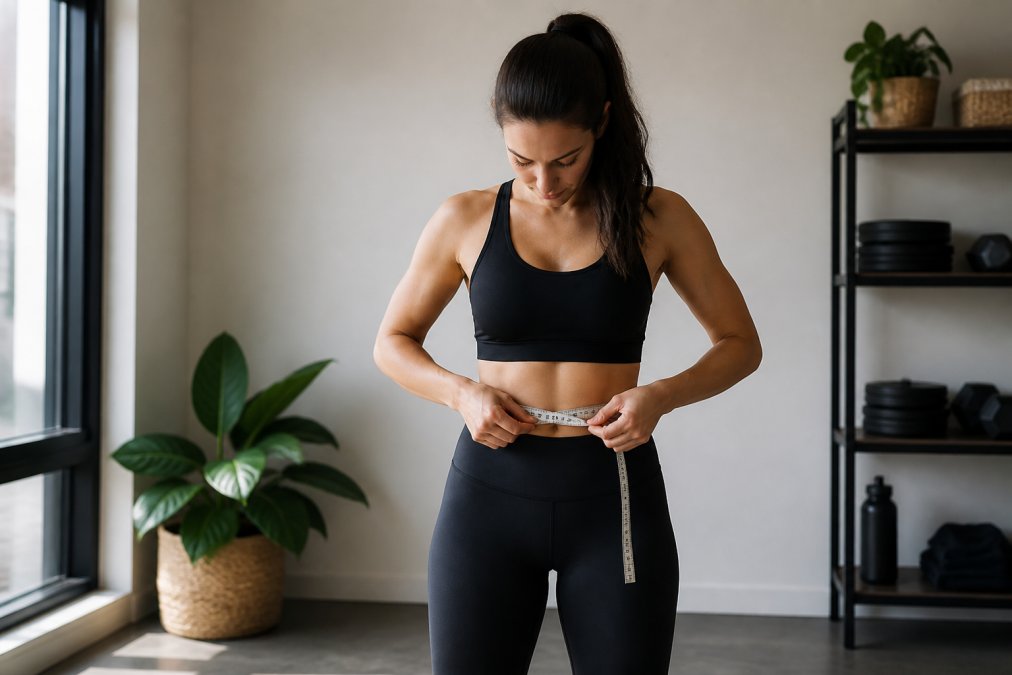
Measuring Waist and Hip Circumference
Your waist measurement is taken at the narrowest point of your torso, typically just above your hip bones. Stand naturally, don't suck in your stomach or puff out your chest. Wrap the tape around your waist snugly, you should be able to fit one finger underneath.
Hip circumference is measured at the fullest part of your hips and glutes. Stand with your feet hip-width apart and wrap the tape around the widest point. Measure standing up, not sitting, since your body changes shape when seated and gym clothes are worn standing and moving.
Getting Your Inseam and Chest Measurements Right
Inseam length determines whether gym pants or leggings fit your legs properly. Measure from your inner thigh down to your ankle while standing. Chest measurement is taken at the fullest part of your bust or pectorals, level and snug but not tight.
Many brands provide separate charts for different body types and athletic builds. If you have a 40-inch chest but your hips measure 36 inches, use a brand that accounts for these proportions rather than assuming everyone fits the same.
Fabric Stretch and Compression: How They Affect Fit
The fabric you choose dramatically changes how true to size actually feels. A nylon-spandex blend stretches differently than a polyester-cotton mix. Compression fabrics hug your body tighter than breathable fabrics.
Most activewear contains between 5% and 25% spandex (peer-reviewed research). The higher the spandex content, the more the fabric stretches. A garment with 5% spandex has minimal stretch, closer to a standard fit. A garment with 20% spandex moves with your body and recovers quickly.
Compression fabrics are woven tighter and designed to support muscle movement during intense workouts. They feel snug even when true to size because the compression is intentional. If you're used to loose-fit gym clothes, a compression garment that's true to size will feel tight initially, that's normal.
Synthetic fabrics (polyester, nylon) stretch more than cotton. If a brand uses mostly synthetic fabrics, their true to size might feel slightly loose because the stretch gives you extra room. Cotton-heavy blends feel more fitted at true to size.
Fabric recovery is how quickly the material bounces back after stretching. High-quality activewear with good elasticity maintains its shape through hundreds of washes. Kritter Komfort uses durable fabrics with excellent recovery, which means your true to size fit lasts season after season.
Choosing Between Form-Fitting and Loose-Fit Activewear
Form-fitting activewear hugs your body and shows your silhouette. It's designed for high-impact activities like running, jumping, or weightlifting where you need the fabric close to your skin for range of motion and minimal friction.
Loose-fit activewear gives you breathing room and a more relaxed silhouette. It's better for low-impact activities, recovery days, or if you prefer more fabric between you and the world.
Your activity level determines which fit style works best. High-intensity workouts (lifting, HIIT, running) benefit from form-fitting clothes that stay in place. Yoga, tai chi, or recovery-focused activities work better in loose-fit that allows unrestricted movement without clinging.
Kritter Komfort offers athletic cuts that bridge the gap, fitted enough to support intense workouts but with enough room that you don't feel squeezed.
Durable Golf Shirts for Broad Shoulders and Athletic Builds
If you have broad shoulders or an athletic build, standard sizing often falls short. Your shoulders might be a large, but your waist is a medium. Brands that design specifically for athletic builds cut shirts wider through the shoulders and taper the sides, so you get a true to size fit that accommodates your proportions.
When measuring for athletic builds, pay attention to shoulder width in addition to chest circumference. Some brands provide this measurement. If not, measure across your back from shoulder point to shoulder point.
Seamless construction becomes critical for athletic builds because seams in the wrong places create tension and discomfort during movement. Kritter Komfort uses strategic seam placement and durable stitching designed to handle intense training.
Performance Fabric Care Instructions and Shrinkage Prevention
How you care for your gym clothes directly impacts whether they stay true to size. Most activewear shrinks slightly in the wash, which can turn a perfect fit into something too small.
Machine wash on cold water with like colors. Hot water accelerates shrinkage and breaks down spandex faster (peer-reviewed research). Use a gentle cycle to reduce stress on seams and fibers. Avoid fabric softener and bleach, fabric softener reduces moisture-wicking performance, and bleach damages synthetic fabrics.
Air dry your clothes to preserve fit and extend fabric life. Hang dry or lay flat on a clean surface. Machine drying on high heat shrinks activewear significantly, sometimes a full size.
Most activewear shrinks 2-5% in the first wash and slightly more with subsequent washes (the FTC). If you're between sizes, size up slightly to account for shrinkage. Kritter Komfort apparel is machine-wash friendly and holds up to regular laundering when you follow these care steps.
Testing Fit Before You Commit
Before you commit to a purchase, test the fit in ways that simulate how you'll actually use the clothes. Put on the clothes and perform the activities you'll do in them. If you lift, do a few squats and overhead presses. If you run, jog in place. If you play golf, take some practice swings.
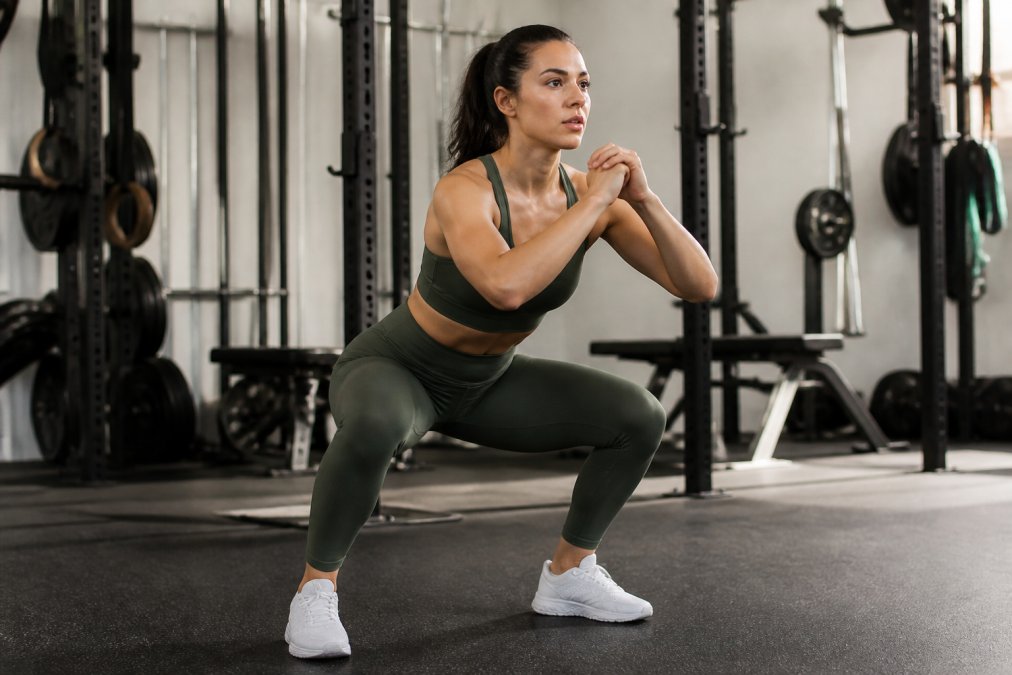
Check for common problem areas: armpits during overhead movement, waistband during bending, and crotch seam during lunging. Stand in front of a mirror and look at how the garment sits on your body. Does it bunch anywhere? Do seams pull?
Squat-proof testing is essential for leggings and tight-fitting bottoms. Bend over and squat fully. If you can see through the fabric or see your underwear, the garment isn't appropriate for your activity level, regardless of whether it's technically true to size.
Common Sizing Mistakes and How to Avoid Them
The biggest mistake people make is ordering their usual size without checking the brand's size chart. Every brand cuts differently. A medium from one company is not the same as a medium from another.
Other common errors include measuring over clothing instead of against your skin, ignoring fit style, and sizing based on weight instead of measurements. Two people can weigh the same but have completely different measurements.
Not accounting for fabric content leads to fit surprises. A 100% polyester shirt stretches differently than a 60% cotton-40% polyester blend. Check the fabric composition and understand how much stretch you're getting.
Read customer reviews before ordering. They often mention whether items run small, large, or true to size and highlight fit issues the size chart doesn't address. If multiple reviews say a brand runs small, size up even if the chart suggests your usual size.
Finding true to size gym clothes comes down to three things: accurate measurements, understanding your brand's fit style, and testing before you commit. When you nail these fundamentals, you stop wasting money on returns and start building a gym wardrobe that actually works for your body.
Kritter Komfort's athletic cuts are designed to be true to size, with durable fabrics that maintain their fit through intense training and regular washing. Our sizing charts account for different body types, and our customer feedback confirms that our true to size fits deliver the performance and comfort you need. Start with accurate measurements, check our size chart, and you'll find your fit on the first try.
Frequently Asked Questions
What does 'true to size' mean in activewear?
True to size means the garment dimensions match standard sizing charts without needing to size up or down. A medium labeled true to size should fit someone who typically wears a medium across brands. However, this depends on the cut (athletic vs. relaxed), fabric stretch, and brand-specific sizing variations. Always check the size chart and measure your body to confirm, as true to size differs from brand to brand.
Should I size up or down in gym clothes?
Size based on your body measurements and the fit you want, not on guessing. Take accurate measurements of your waist, hips, chest, and inseam, then compare them to the brand's size chart. If you prefer form-fitting gear for muscle movement visibility, stick to your true size. For loose-fit activewear, sizing up one size may give you more range of motion. Compression fabrics often run smaller, so check the stretch factor before ordering.
How can I tell if gym clothes will shrink after washing?
Check the fabric composition and care instructions before buying. Synthetic fabrics like polyester and spandex have better fabric recovery and resist shrinkage better than cotton blends. Always follow performance fabric care instructions: machine wash in cold water, avoid high heat in the dryer, and skip fabric softeners. Test a single garment first if you're unsure. Most quality activewear with proper care maintains its dimensions, but moisture-wicking synthetics are more reliable than natural fibers for gym use.
What's the difference between compression and loose-fit gym clothes?
Compression gear is form-fitting and designed to support muscle movement and blood flow during intense workouts. It typically has higher spandex content for stretch and recovery. Loose-fit activewear offers more freedom of movement and breathability, making it better for high-impact activities like cardio or golf swings. Compression runs smaller due to its stretch factor, while loose-fit typically runs true to size. Choose based on your workout intensity and personal preference for how clothes feel against your body.
This article was written using GrandRanker