

Table of Contents
- How Anti-Odor Technology Works in Performance Gear
- Why Synthetic Fabrics Trap Odors and How Anti-Odor Solutions Help
- Performance Advantages During Intense Workouts
- Benefits of Bamboo Fabric in Activewear
- How to Remove Sweat Smell From Workout Clothes
- Durability, Longevity, and Long-Term Efficacy of Anti-Odor Apparel
- Sustainability and Reduced Laundry Impact
- Frequently Asked Questions
Last Updated: September 17, 2026
How Anti-Odor Technology Works in Performance Gear
Anti-odor workout apparel uses specialized fabric treatments and fiber construction to prevent the buildup of odor-causing bacteria that thrive in sweat. The technology works by either inhibiting bacterial growth, neutralizing odors at the molecular level, or using fibers that naturally resist moisture retention.
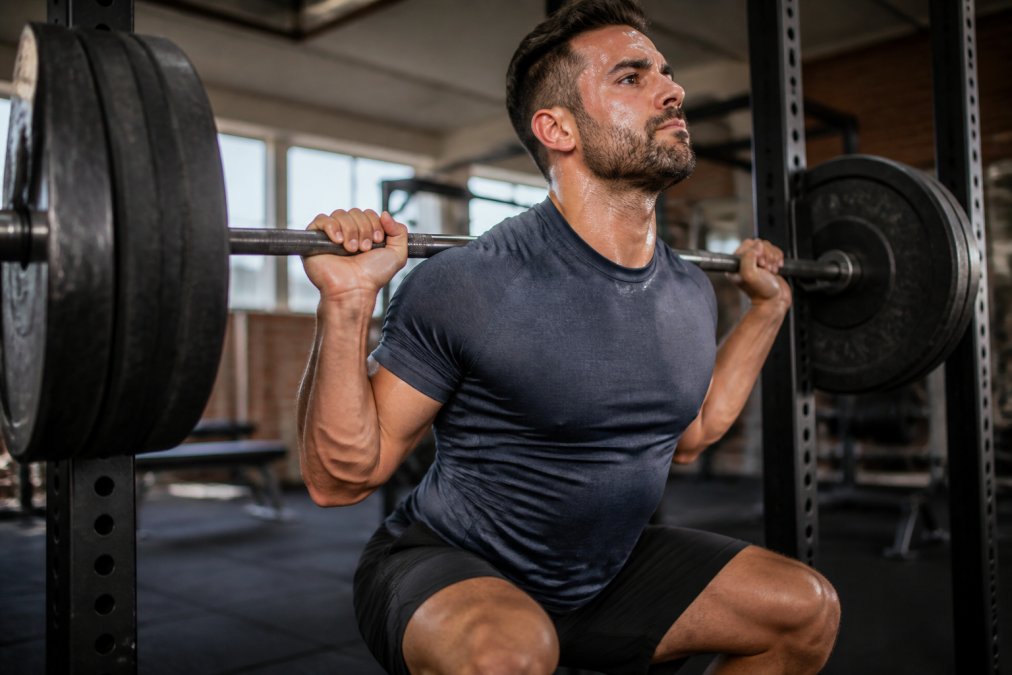
Anti-odor solutions use either chemical treatments applied to fabric surfaces or inherent fiber properties that discourage bacterial colonization. Chemical finishes create an inhospitable environment for odor-causing microbes but degrade with repeated washing, losing effectiveness after several months of regular use.
Synthetic fibers like polyester and nylon trap moisture, creating ideal conditions for odor-causing bacteria. Anti-odor technology addresses this through fiber treatment, weave engineering to reduce moisture absorption, or combining moisture-wicking with antimicrobial finishes.
Why Synthetic Fabrics Trap Odors and How Anti-Odor Solutions Help
Synthetic fibers trap odors by holding sweat in their structure, creating a damp microenvironment where bacteria thrive, which is why polyester gym shirts smell worse than cotton after the same workout.
During intense workouts, synthetic fabrics absorb heavy sweat volume and hold it against your skin, allowing bacteria to multiply rapidly and produce the sulfur compounds and organic acids that create gym smell. Even after one wear, synthetic activewear can retain odor without immediate washing.
Anti-odor solutions improve moisture-wicking to move sweat faster, reducing bacterial colonization time, or use antimicrobial treatments to prevent growth directly. The best activewear combines both approaches.
Kritter Komfort delivers premium activewear featuring breathable, stretch-friendly fabrics and durable stitching. This apparel supports intense workouts like lifting and cardio while providing comfort and flexibility.
Performance Advantages During Intense Workouts
Anti-odor workout apparel delivers performance benefits beyond smell management. Gear that stays fresher longer extends wear between washes, reducing laundry frequency.
Moisture-wicking combined with antimicrobial treatment keeps your skin cooler by moving sweat away efficiently. Sweat that lingers reduces thermoregulation efficiency and diverts energy from your workout, so effective moisture management lets you maintain intensity longer without overheating.
Knowing your gear won't develop odor lets you push harder without mental distraction, keeping focus entirely on performance.
Benefits of Bamboo Fabric in Activewear
Bamboo fabric naturally resists odor through inherent antimicrobial properties, making it compelling for athletes with chemical sensitivities or sustainability concerns. However, bamboo's performance varies significantly by workout type.
Bamboo vs. Merino Wool vs. Treated Polyester: Performance by Workout Type
For steady-state cardio (running, cycling, elliptical): Treated polyester outperforms both natural alternatives. Polyester's superior moisture-wicking moves sweat away from skin fastest, keeping you coolest during sustained effort. Bamboo performs well but dries slightly slower, and merino wool, while breathable, retains more moisture weight. If you're doing 45-60 minute runs, polyester's speed advantage matters.
For high-intensity interval training (HIIT, CrossFit, intense lifting): Merino wool edges out bamboo and polyester. Merino's natural temperature regulation keeps you from overheating during explosive efforts, and its antimicrobial properties remain effective even when saturated with sweat. Bamboo is competitive here, its breathability handles rapid sweat generation well, but merino's odor resistance persists longer into the workout. Treated polyester can feel clammy during rest intervals because sweat accumulates faster than it evaporates.
For low-to-moderate intensity (yoga, Pilates, strength training with longer rest periods): Bamboo excels. The slower moisture-wicking is actually an advantage when sweat generation is moderate; bamboo keeps fabric against skin longer without creating that clammy feeling, and its natural softness provides comfort during extended wear. Merino works well here too but feels heavier. Treated polyester is fine but offers no advantage over bamboo's natural properties.
For hot, humid environments: Merino wool performs best due to superior thermoregulation. Bamboo is second, its breathability handles humidity well. Treated polyester can trap moisture in humid conditions despite good wicking, because sweat doesn't evaporate as fast in high humidity.
Bamboo's Specific Advantages
Bamboo's breathability enables faster evaporation and moisture-wicking, reducing the damp environment where bacteria thrive. Many athletes report bamboo-blend activewear stays fresher longer than synthetics, particularly in moderate-intensity workouts.
Bamboo is hypoallergenic and chemical-free, making it ideal for athletes with dermatitis or chemical sensitivities, unlike silver-ion treated polyester which can cause irritation.
Bamboo's Real Limitations
Bamboo has durability constraints: it's less durable than synthetics, prone to pilling in high-friction areas, and costs 20-40% more. Bamboo processing involves chemical treatment (sodium hydroxide and carbon disulfide), though closed-loop methods are improving.
For athletes who prioritize natural materials, don't need maximum durability for heavy lifting, and train primarily in moderate-intensity or low-humidity conditions, bamboo activewear offers genuine performance advantages. For high-intensity training, hot climates, or maximum durability, treated polyester or merino wool may serve you better despite their trade-offs.
How to Remove Sweat Smell From Workout Clothes
Even the best anti-odor activewear eventually needs proper cleaning to stay fresh. Understanding how to remove sweat smell from workout clothes prevents odor from becoming permanent and extends the life of your gear. The key is addressing both the bacteria causing the smell and the sweat residue they feed on.
Pre-treat by turning the garment inside out and spraying problem areas with equal parts white vinegar and water. Vinegar's acidity disrupts bacterial cell membranes and neutralizes odor compounds. Let it sit 15-30 minutes before washing.
Wash in cold water and avoid fabric softener, which traps bacteria inside the garment. Add half a cup of white vinegar to the rinse cycle or use specialized sports detergent. Wash inside out to target skin-contact areas.
Air dry whenever possible; heat sets odor compounds permanently. For stubborn odors, hang in direct sunlight where UV rays kill bacteria and neutralize compounds.
Durability, Longevity, and Long-Term Efficacy of Anti-Odor Apparel
Anti-odor effectiveness degrades over time. Chemical antimicrobial treatments lose 20-30% efficacy after 20-30 wash cycles and 50-70% after 50-75 cycles. For someone training four times weekly, noticeable odor creep begins around month three to four.
Degradation is gradual, not sudden. A shirt might stay fresh for four wears in month one, three by month four, and two by month six. Recognizing this timeline helps you decide whether to replace gear or accept more frequent washing.
Premium synthetic blends with tight weaves hold chemical finishes more securely than budget alternatives. Merino wool and bamboo maintain odor resistance longer with minimal degradation after 100+ cycles, but face different durability challenges: merino pills under friction, and bamboo loses elasticity faster than polyester.
To extend anti-odor longevity: wash in cold water to preserve treatment integrity, wash inside-out to reduce friction on antimicrobial finishes, air dry to avoid heat degradation, limit fabric softener and bleach which interfere with coatings, and rotate gear to distribute wear cycles.
Garments typically fail before antimicrobial treatment becomes completely ineffective. Seam separation, elastic degradation, and pilling occur within 12-24 months of heavy use. High-quality activewear with reinforced seams and premium blends maintains both durability and odor resistance longer, making higher upfront cost a genuine value proposition.
Sustainability and Reduced Laundry Impact
Anti-odor activewear reduces environmental footprint by extending time between washes. A shirt staying fresh for three or four wears instead of one cuts laundry frequency significantly, reducing water consumption, energy use, and detergent release.
Fewer washes extend garment life by reducing fiber degradation, color fading, and seam stress. Keeping clothing in use longer is the most meaningful sustainability metric, reducing overall consumption.
Some antimicrobial finishes leach into water systems. Bio-based alternatives and inherent fiber properties like bamboo's natural antimicrobial characteristics offer more sustainable approaches. Consider both reduced washing benefits and the longer-term environmental impact of the treatment method.
| Aspect | Impact of Anti-Odor Activewear |
|---|---|
| Wash Frequency | Reduced by 30-50% for average users |
| Water Consumption | Lower per wearing cycle |
| Garment Lifespan | Extended through fewer wash cycles |
| Detergent Use | Decreased overall volume |
| Microplastic Shedding | Reduced through extended wear periods |
Anti-odor workout apparel solves a real problem that every athlete faces: managing sweat and odor during intense training. Whether you're lifting heavy, doing cardio, or transitioning from the gym to the golf course, quality activewear that resists odor keeps you confident and fresh. Kritter Komfort delivers this through breathable, stretch-friendly fabrics engineered for performance and durability. The athletic cut that's true to size means you get the fit and comfort that supports your training without compromise. Shop All to find activewear that performs when it matters most.
Frequently Asked Questions
How does antimicrobial technology in anti-odor workout apparel actually work?
Antimicrobial treatments, often using silver ion technology, inhibit bacterial growth on fabric surfaces. Odor-causing bacteria thrive in warm, moist environments created by sweat. Silver ions disrupt bacterial cell function, preventing the microbes that produce odor from multiplying. This helps keep workout apparel fresher longer without requiring frequent washing, extending garment longevity and reducing laundry frequency.
Is anti-odor apparel worth the investment for daily training?
Yes, especially if you train intensely multiple times weekly. Quality workout apparel can reduce laundry frequency, meaning fewer wash cycles wear down fabric, preserving stretch and durability longer. You'll get more wear from each garment before pilling or loss of shape occurs. For lifters and cardio enthusiasts who demand reliable performance gear that transitions from gym to casual wear, extended garment longevity and hygiene benefits can justify the initial cost over time.
What's the difference between moisture-wicking and anti-odor fabrics?
Moisture-wicking fabrics pull sweat away from skin to the fabric surface for faster evaporation, managing sweat during workouts. Anti-odor fabrics inhibit bacterial growth that causes smell. Many modern activewear combines both: moisture-wicking keeps you dry and comfortable, while some treatments can prevent odor. Breathability supports thermoregulation during intense exercise, and some finishes can extend the time between washes by neutralizing odor-causing bacteria.
How can I prevent my gym clothes from smelling bad after a workout?
Beyond choosing appropriate apparel, air-dry your clothes immediately after training rather than stuffing them in a gym bag. Bacteria multiply in damp, enclosed spaces. Rinse sweat-soaked areas with cool water before storing. Wash in cold water to preserve fabric integrity longer. Avoid fabric softener, which can coat the fabric and reduce breathability. With proper care, quality workout apparel can maintain its properties through many more wash cycles than conventional activewear.