

Table of Contents
- What Makes a Fabric Both Eco-Friendly and Moisture-Wicking
- Merino Wool: Natural Performance Without the Environmental Cost
- Benefits of Bamboo Fabric for Workouts and Sustainability
- Tencel vs Polyester for Sweat Management and Eco Impact
- How to Care for Moisture-Wicking Apparel to Extend Its Life
- Odor Resistance vs Moisture Management: Which Matters More
- Finding Eco-Friendly Moisture-Wicking Fabrics That Actually Perform
- Frequently Asked Questions
Last Updated: September 18, 2026
What Makes a Fabric Both Eco-Friendly and Moisture-Wicking
Finding eco-friendly moisture-wicking fabrics that actually perform is harder than it sounds. Most activewear brands choose one: either genuine sustainability or genuine moisture management. Rarely do you get both.
The challenge is physics meets ethics. Moisture-wicking requires specific fiber properties. Eco-friendliness demands responsible sourcing and production. When manufacturers cut corners on sustainability to hit a price point, they often sacrifice the fiber quality that makes wicking work. When they prioritize environmental impact, performance sometimes suffers.
How Capillary Action and Hydrophobic Properties Work Together
Moisture-wicking works through capillary action, the same force that pulls water up through plant roots. Hydrophobic fibers repel moisture away from your skin and push it toward the fabric's outer surface, where it evaporates. The best eco-friendly moisture-wicking fabrics combine these properties without relying on chemical coatings that harm the environment.
Natural fibers like Merino wool are inherently hydrophobic. Synthetic alternatives like recycled polyester achieve this through fiber structure, not treatment. Cellulose-based fabrics like Tencel require careful processing to maintain hydrophilic properties that still allow moisture transport. The difference matters because it determines how the fabric performs after dozens of wash cycles.
The Environmental Impact of Microplastics from Synthetic Fabrics
This is the part most guides skip. Synthetic moisture-wicking fabrics shed microplastics with every wash. These particles end up in waterways and eventually in marine ecosystems. A single polyester garment can release thousands of microplastic fibers per wash cycle.
Recycled polyester reduces the demand for virgin petroleum, but it still sheds microplastics. The environmental calculus gets complicated: you're choosing between new plastic extraction or existing plastic pollution. Some brands address this with microfiber-catching laundry bags, but that's a band-aid on a larger problem.
Natural fibers avoid microplastic shedding entirely. Merino wool, bamboo, and Tencel are biodegradable. They break down in soil or water without accumulating in ecosystems. This becomes especially important if you're washing activewear multiple times per week.
Merino Wool: Natural Performance Without the Environmental Cost
Merino wool is the closest thing to a perfect eco-friendly moisture-wicking fabric. It's biodegradable, naturally temperature-regulating, and genuinely odor-resistant because the fiber structure inhibits bacterial growth. You can wear a Merino garment for weeks without washing it, which itself reduces environmental impact.
The downsides are real. Merino wool costs more than synthetic alternatives. It requires careful washing to prevent felting. Some people find it itchy, though modern processing has largely solved that problem. Merino sheep farming has environmental costs, though significantly lower than polyester production.
Smartwool and Icebreaker lead the market here. Smartwool blends Merino with polyester for durability and faster drying. Icebreaker uses 100% Merino, appealing to consumers who want zero synthetic content. For intense workouts where you're sweating heavily, Merino's natural breathability and moisture transport make it genuinely superior to most synthetics.
The real advantage shows up in longevity. A quality Merino garment lasts years with proper care. You wear it more, wash it less, and eventually it biodegrades. That lifecycle analysis beats fast-fashion synthetic gear you replace annually.
Benefits of Bamboo Fabric for Workouts and Sustainability
Bamboo fabric, typically processed into Viscose or Lyocell, offers a middle ground between natural and synthetic. It's derived from a renewable resource that grows without pesticides or fertilizers. The fiber is naturally moisture-wicking and breathable.
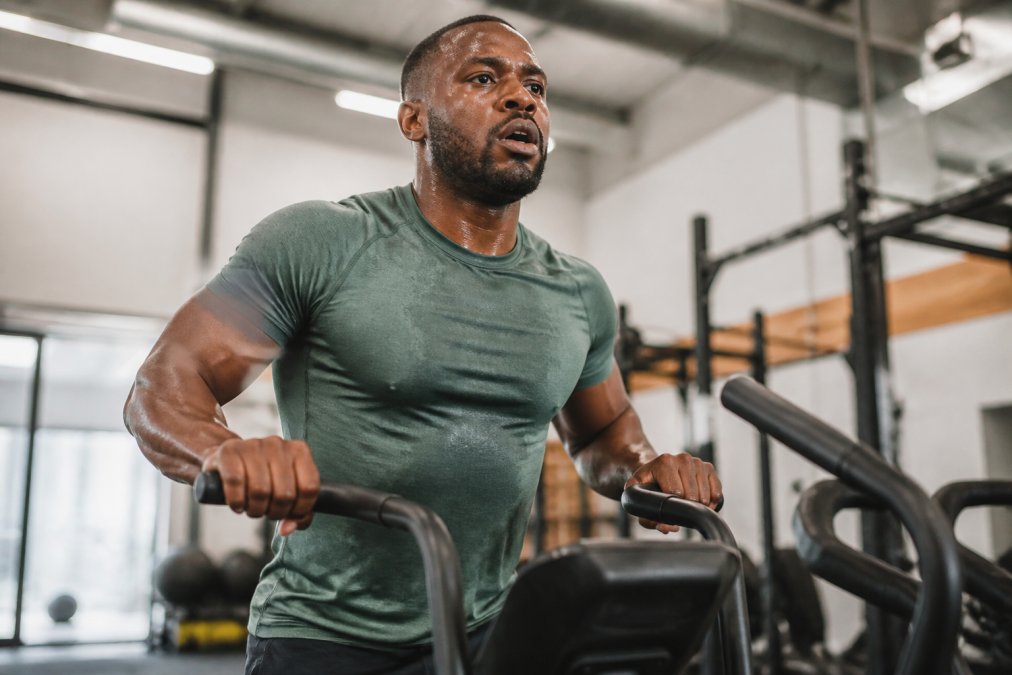
Bamboo fabric breathes exceptionally well. It pulls moisture away from skin efficiently and dries faster than wool. For high-intensity workouts, that quick-drying property matters. Bamboo is also soft against the skin, which appeals to people who find synthetic blends uncomfortable.
The sustainability story depends on processing. Viscose production uses harsh chemicals that often end up in waterways. Lyocell, processed in closed-loop systems, recovers and reuses chemicals, dramatically reducing environmental impact. When you see "Tencel" on a label, that's Lyocell made by Lenzing with certified closed-loop production.
Tentree uses bamboo blended with recycled polyester. Allbirds combines Merino wool with Tencel Lyocell. These blends optimize for both performance and environmental responsibility. For workouts, bamboo-based fabrics work best for moderate to high activity levels where breathability matters more than extreme odor resistance.
Tencel vs Polyester for Sweat Management and Eco Impact
This comparison reveals why the 'best' fabric depends on your priorities, and why 'eco-friendly' requires more than a marketing claim. Polyester, especially recycled polyester, has superior moisture transport and quick-drying speed. It handles intense sweat better than most alternatives. It's also durable and affordable. But the environmental story is far more complex than performance metrics suggest.
Lifecycle Carbon Footprint: The Real Environmental Comparison
When you account for the full lifecycle, raw material extraction, processing, transportation, use, and end-of-life, the environmental impact diverges significantly:
Virgin Polyester: Requires crude oil extraction and energy-intensive polymerization. Lifecycle carbon footprint: approximately 5.5-7.0 kg CO₂ equivalent per kilogram of fiber. It persists in landfills for 200+ years and sheds microplastics throughout its lifespan.
Recycled Polyester: Diverts plastic waste from landfills, reducing extraction demand. Lifecycle carbon footprint: approximately 2.5-3.5 kg CO₂ equivalent per kilogram of fiber, roughly 50% lower than virgin polyester. However, it still sheds microplastics and eventually accumulates in landfills or marine environments.
Tencel Lyocell: Sourced from sustainably managed forests (FSC-certified in most cases). The closed-loop production process recovers 99% of processing solvents. Lifecycle carbon footprint: approximately 1.5-2.2 kg CO₂ equivalent per kilogram of fiber. It is fully biodegradable and generates zero microplastic pollution.
Merino Wool: Renewable resource with lower processing intensity than synthetics. Lifecycle carbon footprint: approximately 3.5-4.5 kg CO₂ equivalent per kilogram of fiber when accounting for sheep farming. It is fully biodegradable and naturally resists odor, reducing wash frequency and associated environmental costs.
Tencel emerges as the lowest-impact option when carbon footprint is the primary metric. Recycled polyester ranks second if microplastic pollution is weighted less heavily. Virgin polyester ranks lowest on environmental responsibility across all metrics.
Tencel's Closed-Loop Production Process
Tencel Lyocell, produced by Lenzing under strict environmental standards, dissolves wood pulp in a solvent within a closed-loop system. The solvent is recovered and reused before treated water is released. This process recovers 99.5% of the solvent, meaning fewer chemicals enter waterways compared to conventional Viscose production, which recovers only 50-70% of solvents.
Tencel performs well for moisture management. It is hydrophilic, meaning it absorbs moisture readily, then releases it quickly through evaporation. For moderate sweat levels, Tencel performs as well as polyester.
Recycled Polyester: Performance with Reduced but Persistent Footprint
Recycled polyester takes existing plastic, bottles, textile scraps, fishing nets, and converts it into usable fiber. This reduces demand for virgin petroleum extraction and diverts waste from landfills. The performance characteristics match virgin polyester: it wicks moisture, dries quickly, and resists odors.
Choosing Between Them: A Decision Matrix
Choose Recycled Polyester if: You train intensely (5+ days weekly), prioritize quick-drying performance, wash gear frequently anyway, and want to reduce virgin plastic extraction. Use a microfiber-catching laundry bag to minimize microplastic release.
How to Care for Moisture-Wicking Apparel to Extend Its Life
Here's what actually works:
Merino wool can go weeks between washes. Air it out after workouts. Wash in cool water with wool-specific detergent. Skip the dryer entirely. Merino's natural properties mean you don't need frequent washing.
Odor Resistance vs Moisture Management: Which Matters More
This question has a practical answer: it depends on your workout intensity and frequency.
Finding Eco-Friendly Moisture-Wicking Fabrics That Actually Perform
Check the fiber content first. If it's 100% virgin polyester, the environmental story is weak. If it's 100% Merino, durability might be compromised. Blends often deliver better balance.
| Fabric Type | Moisture Management | Odor Resistance | Durability | Eco-Impact | Best For |
|---|---|---|---|---|---|
| Merino Wool | Excellent | Excellent | Good | Very Low | Multi-day trips, frequent training |
| Bamboo (Tencel) | Very Good | Good | Good | Low | Moderate workouts, breathability priority |
| Recycled Polyester | Excellent | Fair | Excellent | Medium | High-intensity training, durability |
| Synthetic Blend | Excellent | Fair | Very Good | Medium | Gym training, everyday wear |
Frequently Asked Questions
What is the best natural fabric for wicking moisture during intense workouts?
Merino wool and bamboo-based fabrics are top natural choices for moisture-wicking during intense workouts. Merino wool uses capillary action to pull sweat away from skin and naturally resists odors, making it ideal for multi-day activities. Bamboo fabric (viscose) offers excellent breathability and moisture transport, though it requires more careful washing. For maximum performance during heavy lifting or cardio, a blend of Merino wool with polyester combines natural fiber benefits with durability and quick-drying properties.
How do eco-friendly moisture-wicking fabrics compare to synthetic alternatives in performance?
Top-tier eco-friendly fabrics perform comparably to synthetics in moisture management. Merino wool and Tencel (made from sustainably sourced wood pulp) achieve similar evaporation rates and fiber density as polyester. The main difference: natural and cellulose-based fabrics often excel at odor resistance and thermoregulation, while recycled synthetics offer superior abrasion resistance and durability for high-intensity training. Choosing between them depends on your specific activity, endurance sports favor Merino, while heavy gym work benefits from reinforced blends.
What makes a fabric environmentally friendly beyond just being 'natural'?
True environmental friendliness considers the entire lifecycle: raw material sourcing, manufacturing processes, chemical use, biodegradability, and microplastic shedding. Tencel uses a closed-loop production system that recovers 99% of solvents, reducing water pollution. Recycled polyester diverts plastic from landfills but still sheds microplastics in washing. Merino wool is fully biodegradable and requires minimal chemical processing. Bamboo viscose varies widely, choose brands using closed-loop production. The most sustainable choice combines low-impact production, durability (to extend garment life), and end-of-life biodegradability.
Can bamboo or Tencel effectively wick moisture during cardio and heavy lifting?
Yes, both can handle cardio effectively, though with different strengths. Bamboo viscose has excellent moisture absorption and breathability, making it comfortable for moderate-to-high cardio. Tencel offers faster evaporation rates and better fiber density for sustained sweat management. For heavy lifting with intense sweat output, a blend works best, Tencel or bamboo mixed with a small percentage of polyester improves wicking efficiency and durability. Standalone bamboo or Tencel may feel saturated during the heaviest sessions, but both dry quickly once activity stops.
Shop All at Kritter Komfort and discover activewear engineered for performance, comfort, and longevity. Our moisture-wicking apparel supports your most intense workouts while maintaining the environmental values you care about.