

Table of Contents
- Why Proper Care Matters for Machine Washable Workout Gear
- Sort by Fabric Type Before Washing
- Choose the Best Laundry Detergent for Athletic Wear
- Pre-Treat Stains and Odors on Activewear
- How to Remove Sweat Smell From Workout Clothes
- Can You Put Workout Clothes in the Dryer
- Protect Elasticity and Prevent Pilling
- Conclusion
- Frequently Asked Questions
Last Updated: September 4, 2026
Why Proper Care Matters for Machine Washable Workout Gear
Your workout gear takes a beating. Between heavy lifting sessions, cardio, and the inevitable sweat, those synthetic fabrics endure more stress than your average t-shirt. Machine washable workout gear care tips aren't just about keeping things looking fresh; they directly determine how long your activewear maintains its fit, stretch, and moisture-wicking performance. At Kritter Komfort, we design our apparel with breathable, stretch-friendly fabrics and durable stitching specifically so it survives intense training and repeated washing, but even the best construction needs the right laundry routine.
Most people ruin their gym clothes without realizing it. The culprit isn't sweat or dirt; it's improper washing habits that break down elastane and spandex fibers over time. When you understand how to care for performance fabrics, you protect your investment and ensure your gear continues to perform during your next workout.
The good news? Caring for machine washable workout gear takes minimal effort once you know the fundamentals. This guide breaks down exactly how to wash, dry, and maintain your activewear so it lasts through hundreds of sessions.
Sort by Fabric Type Before Washing
The first rule of activewear care is separating your gear by fabric composition and intended function, not just color. Moisture-wicking synthetic fibers like polyester, nylon, and spandex blends require different handling than cotton or heavier materials, and within synthetics, compression gear and moisture-wicking pieces have distinct care needs. Sorting prevents friction damage and ensures each piece gets the appropriate wash cycle.
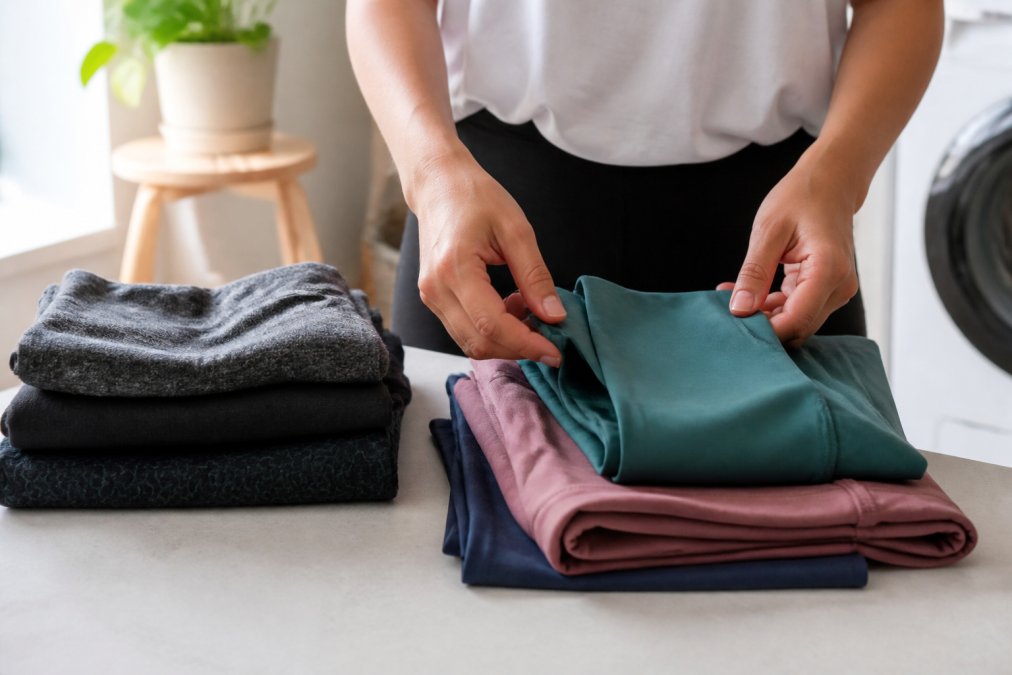
Check the care label on every garment before you sort. Most performance apparel falls into distinct categories based on fiber structure and elastane content:
Compression gear (high spandex/elastane content): Compression shorts, support leggings, and fitted tops contain 15-20% elastane blended with nylon or polyester (peer-reviewed research). These fibers are sensitive to heat and alkaline detergents, which degrade the elastic polymer chains responsible for recovery and snugness. Wash separately in cool water with a gentle cycle.
Moisture-wicking synthetics (polyester-dominant): Running shirts, tank tops, and shorts made primarily from polyester with 5-10% spandex are more durable than compression gear but still vulnerable to pilling from friction. These tolerate slightly warmer water (up to 86°F) and can handle a normal gentle cycle.
Cotton-blend casual wear: Tees and everyday pieces with cotton content can withstand warmer water and standard cycles, but washing them separately prevents lint transfer to technical fabrics.
Swimwear and delicate synthetics: Chlorine-resistant fabrics and high-spandex swimwear require the coolest water and shortest cycle to prevent fiber breakdown.
A practical sorting system:
- Load 1 (Delicate synthetics): Compression gear, swimwear, lightweight high-spandex tops
- Load 2 (Standard synthetics): Moisture-wicking shorts, hoodies, outer layers, standard leggings
- Load 3 (Cotton and casual): Tees, everyday wear, cotton blends
This separation also prevents microplastic shedding from synthetic fibers from concentrating in a single wash load. Newer research shows that synthetic fabrics shed microfibers during washing; separating by fabric type allows you to use targeted mitigation strategies (like mesh wash bags) only where needed, rather than treating all loads the same way. This approach extends garment life while reducing environmental impact.
Once sorted, choose the right wash cycle and water temperature for each load, a step that varies significantly by fabric type.
Choose the Best Laundry Detergent for Athletic Wear
Standard laundry detergent often leaves residue on technical fabrics, which traps odor-causing bacteria and reduces breathability. The best laundry detergent for athletic wear is one formulated specifically for sportswear, designed to break down perspiration oils without damaging synthetic fibers.
Sports detergents contain enzymes that target sweat and body oils more effectively than regular options. They also rinse cleaner, preventing buildup that makes activewear smell even after washing. If you don't want a dedicated sports detergent, look for a free-and-clear formula without dyes or heavy fragrances, which can cling to moisture-wicking fabrics.
Avoid fabric softener entirely. It coats synthetic fibers with a waxy layer that blocks moisture-wicking properties and reduces elasticity over time. Your gear will feel softer initially, but it will stop performing its primary job: managing sweat.
Pre-Treat Stains and Odors on Activewear
Sweat stains and lingering odors need attention before the wash cycle, not after. Pre-treating activewear targets odor-causing bacteria at the source, preventing them from setting into the fabric. This step matters most for garments worn during intense cardio or hot-weather training.
For underarm stains and collar marks, apply a small amount of sports detergent directly to the area and gently rub the fibers together. Let it sit for 10 to 15 minutes before washing. For stubborn perspiration odors, create a simple soak solution with cool water and a specialized sports wash, then let garments soak for 30 minutes.
How to Remove Sweat Smell From Workout Clothes
If your gear still smells after washing, the issue is bacterial buildup trapped deep in the synthetic fibers. How to remove sweat smell from workout clothes starts with addressing that buildup rather than just masking it with fragrance.
A deep-cleaning soak is the most effective approach. Fill a clean sink or bucket with cool water and add a sports-specific detergent or a specialized odor remover. Submerge the garments and let them soak for 30 to 60 minutes. This allows the enzymes to break down the bacteria and oils that regular washing misses.
For particularly stubborn cases, consider these additional steps:
- Add a scoop of oxygen-based cleaner to your regular wash cycle
- Run an extra rinse cycle to ensure all detergent and loosened bacteria are flushed out
- Air dry in direct sunlight, which naturally sanitizes and deodorizes fabrics
Can You Put Workout Clothes in the Dryer
The short answer is no, not if you want them to last. Can you put workout clothes in the dryer? Technically yes, but the heat damages elastane and spandex, causing them to lose elasticity and shrink over time. Tumble drying is the single fastest way to destroy the fit and performance of your activewear.
Air drying is always the safer choice. Hang your gear on a drying rack or clothesline in a well-ventilated area. Most moisture-wicking fabrics dry quickly, often within a few hours. This method preserves elasticity, prevents shrinkage, and reduces the risk of pilling from friction against other garments.
If you must use a dryer, select the lowest heat setting possible and remove items while they're still slightly damp. Never dry activewear with heavy items like towels or jeans, which create friction and can damage delicate synthetic fibers.
Protect Elasticity and Prevent Pilling
Elasticity is what keeps compression gear snug and leggings from sagging mid-workout. Protecting that stretch requires consistent care habits that address both the wash environment and the fabric structure itself. Pilling, those small fabric balls that form on the surface, comes from friction during washing and wear, and prevention requires a multi-step approach.
Water Temperature and Cycle Selection
Wash activewear in cold water (60-70°F), which is gentler on synthetic fibers than warm or hot cycles (the FTC). Cold water preserves elastane by preventing the polymer chains from relaxing or breaking down. The gentle or delicate cycle also reduces agitation, which can stretch and stress fabric over time. For compression gear especially, avoid any cycle faster than gentle; the mechanical stress of a standard or heavy cycle accelerates elastic degradation.
Microplastic Shedding Mitigation
Synthetic fabrics shed microfibers during every wash, a concern for both garment longevity and environmental impact. Using a mesh wash bag (also called a laundry bag or microfiber-catching bag) reduces shedding by 30-40% by containing friction between garments and the drum (peer-reviewed research). Place delicate synthetics and high-spandex pieces in a mesh bag before loading the washer. This simple step significantly extends the visible lifespan of your gear by reducing surface degradation and pilling.
Hard Water Considerations
Water hardness, the mineral content (primarily calcium and magnesium) in your tap water, directly affects detergent efficacy and odor removal. In hard water areas (common in the Midwest and Southwest), mineral deposits bind to detergent molecules, reducing their ability to break down sweat oils and bacteria. This buildup also traps odors in synthetic fibers.
If you have hard water, consider these strategies:
- Add a water softener packet to each wash load (available at most grocery stores)
- Use a sports detergent formulated for hard water, which contains chelating agents that bind minerals
- Run an extra rinse cycle to flush out mineral-detergent complexes
- Use white vinegar (½ cup) in the rinse cycle monthly to dissolve mineral deposits
Soft water (common in coastal and Pacific regions) allows detergent to work more efficiently, so standard sports formulas perform better without additives.
Preventing and Repairing Pilling
Turn garments inside out before washing to protect the outer surface from friction. This is especially important for compression gear and moisture-wicking tops, which are prone to visible pilling on the chest and underarm areas where friction is highest.
For garments that have already developed pilling:
- Use a fabric shaver (a handheld electric tool) to gently remove pills without damaging the underlying fibers. Shave in one direction only, using light pressure.
- Alternatively, a fine-tooth comb or pumice stone can remove pills, though these methods are slower and require more care.
- Avoid over-washing pilled garments; each wash cycle creates more friction and generates additional pills.
Elastic Degradation and Longevity
Elastane fibers naturally lose elasticity over time, but improper care accelerates this process. Signs of elastic degradation include:
- Compression gear that no longer feels snug or supportive
- Leggings or shorts that sag at the waist or thighs
- Waistbands or leg cuffs that feel loose or stretched out
To slow degradation:
- Avoid heat (dryers, hot water, direct sunlight for extended periods)
- Limit washing frequency; wash only when visibly soiled or after heavy sweat sessions (2-3 times per week for most athletes)
- Store compression gear flat or rolled, not stretched over hangers, which keeps elastane fibers in a relaxed state
- Rotate between multiple pairs of the same garment to reduce cumulative wear on any single piece
Once elastane has degraded significantly, the garment cannot be fully restored, but proper care can extend the useful lifespan by 50% or more compared to standard washing practices.
| Care Habit | How to Do It | Why It Matters |
|---|---|---|
| Wash temperature | Cold water (60-70°F) | Preserves elastane polymer chains and prevents shrinkage |
| Cycle type | Gentle or delicate | Reduces fiber stress, friction, and mechanical stretching |
| Mesh wash bag | Place delicate synthetics inside before loading | Reduces microplastic shedding by 30-40% and prevents pilling |
| Water softening | Add softener packet or use chelating detergent in hard water areas | Improves detergent efficacy and odor removal |
| Inside-out washing | Turn garments inside out before wash | Protects outer surface from friction and visible pilling |
| Drying method | Air dry flat or hanging | Maintains elasticity and prevents heat-induced degradation |
| Storage | Flat or rolled, not stretched on hangers | Keeps elastane fibers relaxed and extends lifespan |
| Fabric shaving | Use electric shaver for existing pills | Removes surface damage without harming underlying fibers |
For high-quality activewear, which features durable stitching and athletic cuts true to size, proper care ensures those pieces maintain their shape and performance through many seasons of training. Our customers consistently note how well gear holds up during intense workouts, and part of that longevity comes from understanding the specific needs of each fabric type and taking targeted steps to prevent both visible wear and invisible fiber degradation.
Conclusion
Caring for machine washable workout gear doesn't require complicated routines or expensive products. Sort your fabrics, use a sports-specific detergent, skip the fabric softener, and air dry whenever possible. These habits protect the moisture-wicking properties, elasticity, and overall lifespan of your activewear.
Many athletes lose gear to poor washing habits long before the fabric naturally wears out. Shrinkage, lost stretch, and lingering odors are almost always preventable with the right approach. Understanding what your garments need is the difference between replacing gear every few months and keeping it performing for years.
When you invest in quality pieces designed for longevity, like the breathable, stretch-friendly apparel from Kritter Komfort, you protect that investment with every wash. Our machine-wash friendly gear is built to handle frequent cleaning while maintaining its fit and performance, whether you're lifting, running, or heading to the golf course. Get started with Kritter Komfort and experience activewear that keeps up with your training and your laundry routine.
Frequently Asked Questions
What is the best water temperature for washing machine washable workout gear?
Cold water is ideal for machine washable workout gear because it preserves elasticity, prevents color fading, and reduces bacterial growth during the wash cycle. Cold water also minimizes shrinkage of synthetic fibers like spandex and elastane. If you're dealing with heavy odor-causing bacteria buildup, a warm wash (not hot) can help, but cold water remains the standard recommendation for most athletic wear.
How often should I wash my gym clothes to prevent bacteria buildup?
Wash activewear after every workout session, especially moisture-wicking garments that trap sweat and perspiration. Waiting longer allows odor-causing bacteria to multiply and creates stubborn smells that are harder to remove. Immediate washing prevents bacterial buildup and keeps your breathable fabrics performing at their best.
Can I use fabric softener on my athletic wear?
No, avoid fabric softener on activewear. Softeners coat synthetic fibers and moisture-wicking fabrics, reducing their ability to absorb sweat and breathe during workouts. This buildup also traps odor-causing bacteria and accelerates pilling. Instead, use a sports-specific laundry detergent designed for synthetic blends, which cleans effectively without compromising performance.
Why do my synthetic workout shirts still smell after washing?
Synthetic fibers like polyester and elastane can trap odor-causing bacteria deep within the fabric structure. If regular detergent isn't eliminating the smell, pre-treat with white vinegar (1 cup per load) or use a sports-specific detergent formulated to break down bacterial buildup. Wash in cold water, avoid fabric softener, and ensure clothes dry completely, damp clothes allow bacteria to regrow and reactivate odors.
This article was written using GrandRanker