

Table of Contents
- What Makes Cardio Workout Clothes Work for Women Over 50
- Best Moisture-Wicking Workout Shirts for Cardio
- Supportive Sports Bras for High-Impact Cardio
- How to Choose Leggings for Cardio
- Fabric Features That Matter Most
- Fit and Comfort Considerations for Your Body Type
- Building a Cardio Wardrobe That Works
- Frequently Asked Questions
Last Updated: September 3, 2026
What Makes Cardio Workout Clothes Work for Women Over 50
Cardio workout clothes for women over 50 need to do more than look good, they need to perform under real conditions. Your body's thermoregulation changes with age, sweat patterns shift, and comfort becomes non-negotiable when you're pushing yourself at higher intensities. The right gear manages moisture, supports your joints, and moves with you without bunching or riding up mid-stride.
At Kritter Komfort, we've designed activewear specifically for people who demand performance without compromise. Whether you're hitting the treadmill, cycling, or doing high-impact cardio, your clothes should handle sweat efficiently, provide the support your body needs, and feel like they were made for you, not against you.
The challenge most women face is finding cardio workout clothes that actually fit well. Many brands cut their activewear for younger body types, leaving women over 50 with gaps in the back, too-tight waistbands, or fabric that shifts during movement. The solution isn't finding a different size, it's finding brands that understand how your body moves and what it needs.
Best Moisture-Wicking Workout Shirts for Cardio
The best moisture-wicking workout shirts for cardio pull sweat away from your skin before it sits on the fabric, keeping you dry and comfortable during intense effort. Moisture-wicking isn't just about comfort, it prevents chafing, reduces bacterial growth that causes odor, and helps your body regulate temperature more effectively (peer-reviewed research).
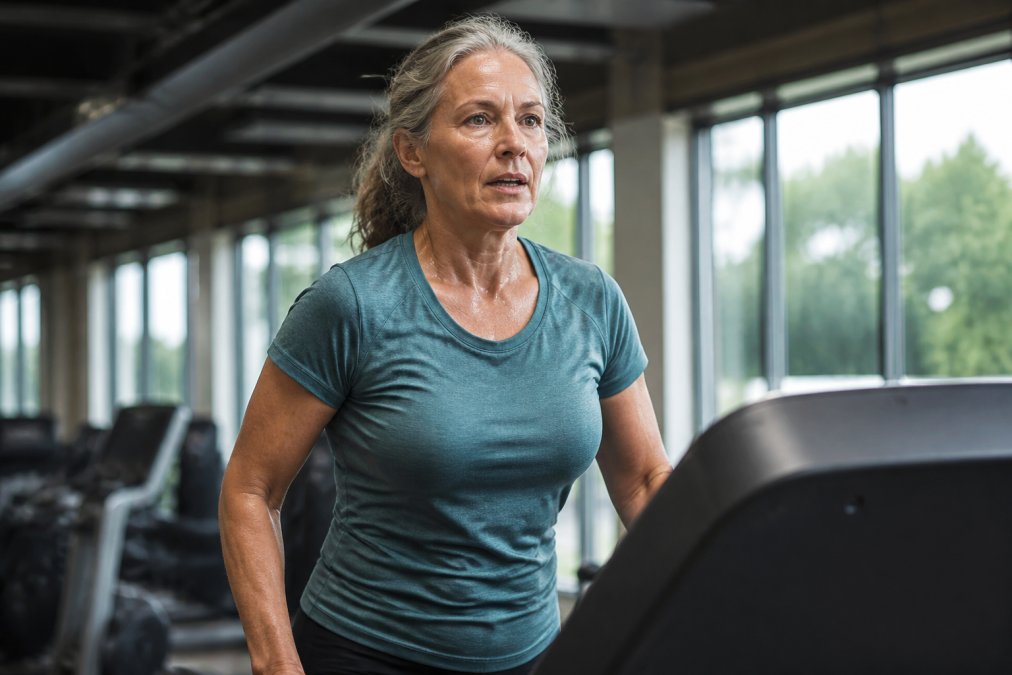
Look for synthetic fabrics like polyester blends or nylon that move moisture to the fabric's outer surface where it can evaporate. Natural fabrics like cotton absorb sweat and hold it against your skin, the opposite of what you need during cardio. Merino wool is an exception: it wicks moisture and regulates temperature, but it's typically more expensive and less common in cardio-focused gear.
The fit of your shirt matters as much as the fabric. A shirt that's too loose billows during movement and creates drag. One that's too tight restricts your range of motion and can cause chafing under the arms or at the waist. The best fit is snug enough to move with you but loose enough that you can breathe comfortably and move your arms freely.
Seam placement is a detail most people overlook, but it changes everything. Flat seams or seamless construction prevent irritation where your shirt rubs against your skin. Racer-back or scoop-neck designs give you more shoulder mobility, which matters if you're doing anything with arm movement, rowing, boxing, or climbing stairs.
Kritter Komfort shirts feature breathable, stretch-friendly fabrics designed for intense cardio. The athletic cut is true to size, so you're not guessing between sizes or dealing with unexpected fit issues. The durable stitching holds up through repeated workouts and machine washing, which means your shirt performs the same way on week one and week fifty.
Supportive Sports Bras for High-Impact Cardio
A supportive sports bra for high-impact cardio is non-negotiable. Running, jumping, and intense cardio create vertical force that puts stress on breast tissue and the ligaments that support it (peer-reviewed research). The wrong bra causes discomfort, limits your movement, and can lead to long-term sagging from repetitive strain.
High-impact sports bras typically offer more coverage and thicker straps than low-impact styles. Look for underwire or structured cups that provide individual breast support rather than compressing everything flat. Many women over 50 find that encapsulation (separate cups for each breast) feels more comfortable and provides better support than compression-style bras.
The band needs to be snug but not restrictive. A band that rides up in the back means it's too loose and won't provide stable support. A band that digs into your ribs is too tight and will cause discomfort during cardio when you're breathing harder. The band should sit parallel to the ground all the way around.
Strap placement matters more as you age. Straps that sit too far apart on your shoulders can slip during movement, especially if you have narrower shoulders or less muscle definition. Straps positioned closer together and slightly angled toward the center of your back provide better stability without digging in.
Look for adjustable straps and a clasp system that lets you customize the fit. Hook-and-eye closures in the back allow you to adjust band tightness precisely. Some bras have convertible straps or racerback options, which reduce shoulder strain during high-impact movement.
Moisture-wicking and breathable materials are essential in a sports bra. Sweat trapped under a bra creates an ideal environment for chafing and skin irritation. Fabrics with good airflow keep you dry and prevent discomfort during and after your workout.
How to Choose Leggings for Cardio
Choosing the right leggings for cardio starts with understanding what you need them to do. High-impact cardio demands leggings that stay in place, provide light compression, and allow full range of motion. The wrong leggings slip down, bunch at the knees, or restrict your stride.
Four-way stretch is the standard for cardio leggings (acsm.org). This means the fabric stretches in all directions, forward and back, side to side, and diagonally. Four-way stretch gives you freedom to move in any direction without feeling restricted. It also means the leggings recover their shape after movement instead of staying stretched out.
Waistband style makes a real difference during cardio. A high-rise waistband sits above your natural waist and stays put during movement. It also provides gentle compression through your core, which some women find supportive during intense cardio. A mid-rise waistband offers less coverage but may feel less restrictive if you prefer a lighter touch.
The waistband should stay in place without digging in. If you're constantly pulling your leggings up, they're too loose. If the waistband leaves marks on your skin after you take them off, they're too tight. The fit should feel secure but not constricting.
Length matters more than most people realize. Leggings that are too long bunch at your ankles and create drag during movement. Leggings that are too short ride up your calves during cardio. The ideal length is at your ankle bone or just touching the top of your shoe, with minimal fabric bunching when you're standing still.
Consider a pocket placement that works for your cardio style. If you carry a phone or keys, side pockets or a waistband pocket make a difference. Some women prefer leggings without pockets for a smoother line, while others need the functionality.
Compression leggings offer additional benefits during cardio. Light to moderate compression improves blood flow, reduces muscle vibration during impact, and can ease joint stress. Compression is especially helpful if you have knee issues or feel joint fatigue after cardio sessions.
Fabric Features That Matter Most
The fabric you choose determines how your cardio workout clothes perform. Moisture-wicking is the foundation, it's what keeps you dry and comfortable during intense effort. But other fabric properties matter just as much.
Breathability allows air to move through the fabric, helping your body cool itself during cardio. High-breathability fabrics have a looser weave or texture that creates airflow. Tightly woven fabrics trap heat and sweat, making you feel hotter and wetter during your workout.
Durability is critical if you're doing intense cardio regularly. High-quality synthetic fabrics resist pilling, fading, and loss of elasticity. Lower-quality fabrics start to pill after a few washes, lose their stretch, or develop permanent stains from sweat. Durable textiles hold up to frequent washing and intense movement without degrading.
Chafe resistance prevents the painful rubbing that happens during repetitive movement. Seamless or flat-seam construction reduces friction points. Smooth fabric surfaces don't irritate skin the way rough or textured fabrics do. Some fabrics include anti-microbial properties that prevent odor-causing bacteria from growing, which keeps your clothes fresher longer.
Thermoregulation is how well fabric manages your body temperature. Some fabrics actively pull heat away from your skin, while others simply prevent heat from being trapped. During cardio, you generate significant body heat. Fabric that helps dissipate that heat keeps you from overheating.
Quick-dry technology means your clothes don't stay damp after your workout. Damp fabric creates an environment for bacteria growth and odor. Quick-dry fabrics dry within a few hours of washing, making them practical for frequent workouts.
Elasticity and recovery are how well fabric bounces back after stretching. Fabrics with good elasticity feel supportive and move with you. Fabrics that lose elasticity quickly start to feel loose and baggy after a few months of use.
Fit and Comfort Considerations for Your Body Type
Your body type influences what fit works best for you during cardio. The goal is finding styles that support your movement and make you feel confident, not styles that hide or emphasize any particular area.
If you're broader in the shoulders, look for wider armholes and shirts with some stretch through the shoulders. Sleeveless options or racerback designs reduce shoulder restriction. Leggings with a higher waistband provide better coverage and support if you have a longer torso.
If you carry weight around your midsection, a high-rise waistband with gentle compression offers support without feeling restrictive. Longer shirts that extend past your hip provide coverage and a smooth line. Seamless construction prevents visible panty lines and reduces pressure points.
If you have a pear-shaped body, balance a fitted top with slightly looser leggings through the hips and thighs. A mid-rise waistband often works better than high-rise if you find high-rise styles pull uncomfortably at your hip bones.
If you're athletic or lean, you have more flexibility with fits. Fitted styles work well, but make sure there's enough room for movement. Even lean bodies need range of motion during cardio, a shirt that's too tight restricts your breathing and arm movement.
The key is trying things on and moving in them. Do a few jumping jacks, touch your toes, swing your arms. If you feel restricted or uncomfortable during basic movements, the fit isn't right. If you feel like you're constantly adjusting your clothes, they're not the right style for you.
Comfort during cardio is personal. Some women prefer minimal coverage and maximum airflow. Others want more support and coverage. There's no right answer, only what works for your body and your preferences.
Building a Cardio Wardrobe That Works
Building a functional cardio wardrobe doesn't mean buying everything at once. Start with basics that work for your most frequent cardio activity, then add pieces that extend your options.
The foundation is one high-quality sports bra designed for high-impact cardio. This is the piece that matters most for comfort and support. Invest in the best one you can afford, because it directly impacts how your workout feels.
Add two or three moisture-wicking shirts in neutral colors. This gives you options while keeping laundry manageable. Choose styles that work for your body type and movement preferences. Kritter Komfort's breathable, stretch-friendly fabrics and athletic cuts that are true to size make it easy to build a wardrobe that actually fits and performs.
Two pairs of well-fitting leggings cover most cardio scenarios. One pair with compression and a high-rise waistband for intense sessions, and one lighter pair for moderate cardio or recovery days. This gives you options based on how you're feeling and what you're doing.
Add a lightweight layer for cool-weather cardio or outdoor workouts. A fitted jacket or long-sleeve shirt with moisture-wicking properties extends your cardio season without overheating you.
Invest in good socks designed for athletic movement. Moisture-wicking socks prevent blisters and keep your feet dry during cardio. Cotton socks absorb sweat and create friction, the opposite of what you need.
Once you have basics, add pieces that match your specific cardio activities. If you do a lot of running, consider tights or leggings with compression. If you do cycling, look for chamois-lined shorts or bibs. If you do water-based cardio, choose quick-dry fabrics that dry faster.
The goal is having enough pieces that you're never wearing damp, uncomfortable clothes. Ideally, you can do cardio three times a week and have clean clothes ready each time without washing every day.
| Wardrobe Piece | Purpose | Frequency |
|---|---|---|
| High-impact sports bra | Core support during intense cardio | Every workout |
| Moisture-wicking shirt | Sweat management and comfort | 2-3 per week |
| Compression leggings | Support and sweat management | High-intensity days |
| Lightweight leggings | Comfort for moderate cardio | Recovery or warm days |
| Lightweight layer | Temperature regulation in cool weather | Cool-weather workouts |
| Athletic socks | Blister prevention and moisture management | Every workout |
Finding cardio workout clothes for women over 50 that actually work is about prioritizing performance over aesthetics. You need gear that manages sweat, supports your joints, and moves with your body, not against it. Kritter Komfort delivers premium activewear with breathable, stretch-friendly fabrics and durable stitching that holds up through intense training. The athletic cut is true to size, so you're not wasting time on sizing guesses, and the machine-wash friendly construction means your clothes stay performance-ready through countless workouts. Shop our cardio collection and build a wardrobe that supports how you actually move.
Frequently Asked Questions
Q: What features should I look for in cardio workout clothes?
A: Focus on moisture-wicking fabrics that pull sweat away from your skin, breathable materials that allow airflow, and four-way stretch construction for full range of motion. High-rise waistbands provide support and prevent gaps during jumping or running. Look for seamless construction to reduce chafing, and ensure the fit is snug but not restrictive. Durable stitching matters for intense cardio sessions, check seams and hem quality.
Q: How do I find flattering cardio workout clothes for my body type over 50?
A: Prioritize fit over trends. Look for athletic cuts that are true to size rather than oversized or overly fitted. High-rise leggings and shorts with ruching or body-contouring details can be flattering without looking trendy. Test the fit through the shoulders, chest, and waist, these areas shift with age, so proper support matters. Machine-wash friendly fabrics mean you can care for them easily at home. Choose colors and designs that make you feel confident, whether bold or understated.
Q: What is the best moisture-wicking fabric for intense cardio?
A: Synthetic blends combining polyester and spandex excel at moisture-wicking and quick-dry performance. These fabrics manage sweat effectively during high-intensity cardio while maintaining elasticity through repeated washing. Look for anti-microbial treatments that reduce odor buildup. Avoid cotton, which absorbs sweat and takes longer to dry. Quality fabrics also provide thermoregulation, keeping you comfortable whether your body temperature rises during cardio or drops during recovery.
Q: How do I know cardio workout clothes will hold up to intense training?
A: Examine the stitching quality, reinforced seams at stress points like armholes and leg openings prevent pilling and tears. Test the elasticity by stretching the fabric; it should snap back quickly. Check customer feedback on durability through multiple wash cycles. Machine-wash friendly fabrics that maintain their shape after washing indicate quality construction. Look for brands that stand behind durability claims.
This article was written using GrandRanker