

Table of Contents
- Why Moisture-Wicking Matters for Hot Yoga
- Best Fabrics for Hot Yoga Shirts
- Moisture-Wicking vs Cotton for Yoga
- Key Features to Look for in Hot Yoga Shirts
- How to Care for Moisture-Wicking Activewear
- Performance Considerations for Inversions and Movement
- Sustainability vs Performance Trade-Offs
- Conclusion
Last Updated: August 19, 2026
Why Moisture-Wicking Matters for Hot Yoga
The best moisture wicking shirts for hot yoga aren't just about comfort, they're about performance. When you're holding a pose in a 105-degree studio, your body's ability to regulate temperature directly affects how long you can stay focused and how safely you move through inversions.
Cotton absorbs sweat and holds it against your skin, creating a heavy, cold sensation as your body temperature drops in air-conditioned spaces post-practice. Synthetic fabrics designed with moisture-wicking technology pull sweat away from your skin and move it to the outer surface of the fabric, where it evaporates faster. This keeps your core temperature stable and prevents the clammy feeling that throws off your balance during standing poses.
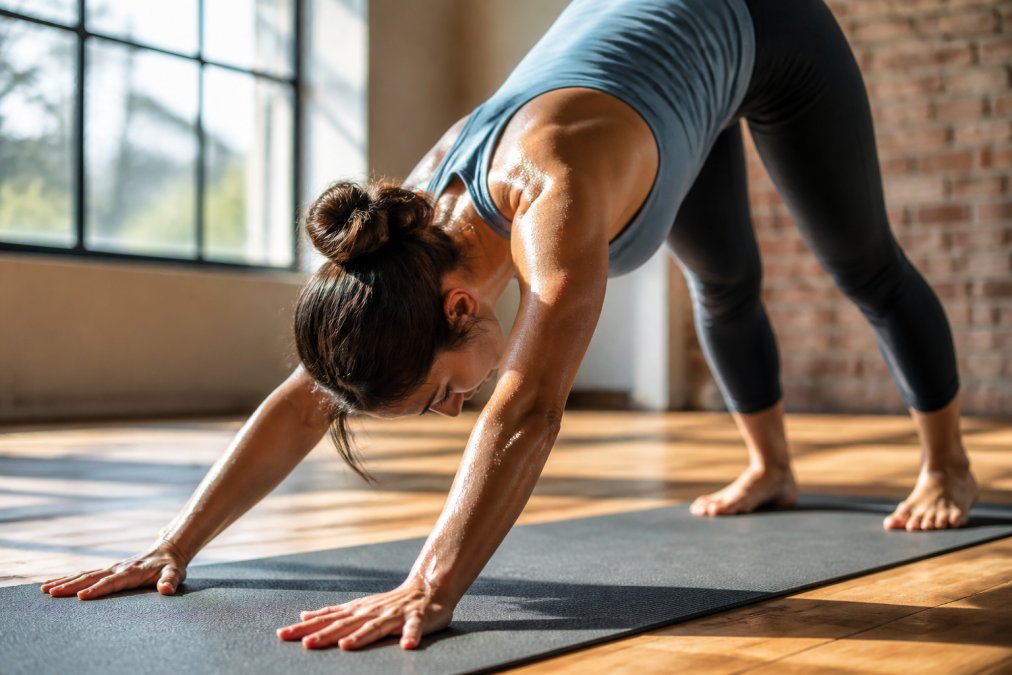
Beyond temperature regulation, the right fabric prevents chafing during repetitive movements. Hot yoga involves constant transitions, flowing from warrior poses to planks to inversions. Fabrics that move with your body rather than against it reduce friction on sensitive areas like underarms and shoulders. This matters more than most people realize. A shirt that chafes for 60 minutes can leave you sore for days, which affects your next practice session.
The durability factor is equally important. Sweat combined with heat accelerates fabric breakdown. Cotton fibers weaken when wet and exposed to high temperatures repeatedly. Performance synthetic blends maintain their integrity through dozens of washes, which means your investment lasts longer. At Kritter Komfort, we understand that serious practitioners need gear that performs through intense, regular training, whether that's hot yoga, lifting, or cardio. The fabrics matter because they determine whether your shirt supports your practice or becomes a distraction.
Best Fabrics for Hot Yoga Shirts
Polyester and Synthetic Blends
Polyester is the foundation of modern moisture-wicking shirts. It doesn't absorb water the way natural fibers do, which means sweat moves through the fabric rather than staying trapped. Pure polyester can feel plasticky and retain odors, which is why the best hot yoga shirts blend polyester with other synthetics.
A polyester-spandex blend adds stretch and recovery, the fabric bounces back after movement rather than sagging. Polyester-nylon combinations offer superior durability and a softer hand feel. The blend ratio matters. A 88% polyester / 12% spandex blend gives you excellent moisture transport with enough stretch for deep backbends without the shirt riding up during inversions.
Look for fabrics labeled as "performance blends" or "technical synthetics." These are engineered specifically for sweat management and thermal regulation. The polyester fibers are often treated with hydrophobic coatings that repel water, pushing moisture outward faster than untreated synthetics. This is what separates a basic gym shirt from one designed for hot environments.
Four-Way Stretch and Nylon Options
Four-way stretch fabric moves in every direction, up, down, left, and right, which is essential for yoga. Standard two-way stretch fabrics only move horizontally and vertically, limiting your range of motion during complex poses. Four-way stretch eliminates that restriction entirely.
Nylon blended with polyester creates a fabric that's both durable and incredibly soft. Nylon has natural elasticity and resists pilling better than polyester alone. An 85% polyester / 15% nylon blend offers the moisture-wicking speed of polyester with the durability and softness of nylon. Some premium brands add spandex to this blend, creating a three-way synthetic combination that handles intense movement without degradation.
The real advantage of four-way stretch appears during inversions and arm balances. When you're inverted and your shirt is pulling in multiple directions simultaneously, a fabric that accommodates all that movement prevents bunching and riding up. This keeps your focus on the pose, not on adjusting your shirt mid-practice.
Moisture-Wicking vs Cotton for Yoga
Cotton feels soft initially, but it's the worst choice for hot yoga. Cotton fibers absorb moisture, they can hold up to 27 times their weight in water. In a hot studio, this means your shirt becomes saturated and stays wet. As you move from the heated room to cooler air, that moisture cools against your skin, dropping your body temperature rapidly and triggering shivers.
The weight difference is significant. A cotton shirt absorbs roughly 15-20% of its dry weight in sweat during an intense practice. A moisture-wicking synthetic absorbs less than 2% of its weight. That difference translates to a shirt that feels 5-10 pounds heavier when wet versus one that stays light and dry.
Cotton also takes substantially longer to dry. A cotton yoga shirt hung to air dry might take 24 hours to fully dry. A polyester-blend shirt dries in 2-3 hours. If you practice daily, you need gear that's ready for the next session, not sitting in the laundry hamper waiting to dry.
Odor is another issue with cotton. Cotton holds bacteria longer because moisture stays in the fibers. Even after washing, a cotton yoga shirt can retain a faint odor. Synthetic fabrics dry faster, which means bacteria don't have as much time to colonize the fibers. This is why moisture-wicking shirts stay fresher longer between washes.
Key Features to Look for in Hot Yoga Shirts
Breathability and Ventilation
Breathability refers to how quickly air can move through the fabric. In hot yoga, you need maximum airflow. Tightly woven fabrics restrict air movement and trap heat. Loosely woven or mesh-paneled fabrics allow heat to escape and fresh air to circulate.
Look for shirts with strategic ventilation panels, typically under the arms and across the back. These mesh sections don't absorb sweat; they allow it to evaporate directly from your skin. During a 90-minute practice in high heat, these panels make the difference between overheating and maintaining a comfortable core temperature.
Weight matters too. Lightweight fabrics (typically 4-6 ounces) breathe better than heavier options. A heavy shirt, even if it's synthetic, traps more heat because there's more material between your skin and the air. The best hot yoga shirts feel almost weightless, like wearing barely anything at all.
Seamless Construction and Fit
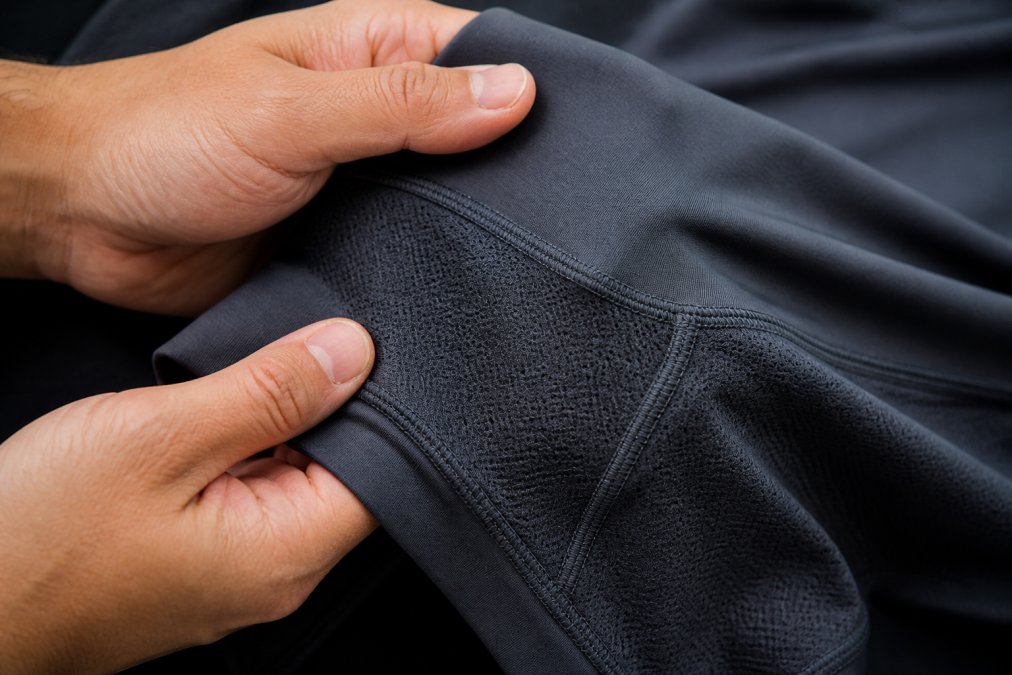
Seams are stress points. During movement, seams rub against your skin. In hot, sweaty conditions, this friction causes chafing. Seamless construction eliminates this problem entirely. Seamless shirts are knitted as one continuous piece rather than assembled from multiple panels.
Flatlock seams are the alternative if seamless isn't available. Flatlock stitching sits flat against your skin rather than creating a ridge. The seam doesn't dig in during movement, which prevents irritation. Many premium brands use flatlock seams on critical areas like underarms and shoulders.
Fit determines how the shirt moves with your body. A shirt that's too tight restricts movement and creates pressure points during inversions. A shirt that's too loose bunches up and rides during transitions. The ideal fit is snug enough to move with you but loose enough to allow full range of motion. Most performance brands size true to standard measurements, though some run small or large. Check the fit reviews before ordering.
Odor Resistance and Durability
Anti-microbial technology prevents bacteria growth that causes odor. Some fabrics are treated with silver ions or copper compounds that kill odor-causing bacteria. Others use construction methods that dry so quickly bacteria can't establish themselves. Both approaches work, though the technology isn't visible to the naked eye.
Durability in hot yoga gear means the fabric doesn't pill, lose its shape, or develop holes under regular use. High-quality synthetic blends maintain their integrity through dozens of wash cycles. Lower-quality synthetics start pilling after 5-10 washes or develop small holes where seams stressed the fabric.
Test durability by checking the fabric weight and thread count if available. Heavier fabrics (within reason) typically last longer. Thread count, the number of threads per square inch, indicates how densely constructed the fabric is. Denser construction resists damage better than loosely woven options.
How to Care for Moisture-Wicking Activewear
Machine washing is fine for most moisture-wicking fabrics, but temperature matters. Hot water can damage synthetic fibers and accelerate the breakdown of elastic materials. Wash in cold water with mild detergent. Avoid fabric softener, it coats synthetic fibers and reduces their ability to wick moisture.
Avoid bleach entirely. Bleach degrades synthetic fibers and can cause discoloration. If you need to treat stains, use an oxygen-based stain remover instead. These work on protein-based stains (like sweat) without damaging the fabric.
Drying is where most people make mistakes. High heat from a dryer damages spandex and can shrink synthetic blends. Air drying is the safest option. Hang the shirt or lay it flat. It will dry in a few hours at room temperature. If you must use a dryer, use the lowest heat setting or air-dry cycle.
Some premium activewear recommends turning the shirt inside out before washing to protect the outer surface from friction and pilling. This is a minor step but worth doing if the manufacturer recommends it. It extends the life of the shirt noticeably.
Performance Considerations for Inversions and Movement
Inversions place unique demands on your shirt. When you're upside down, gravity pulls fabric away from your body. A shirt that fits well in standing poses might ride up or shift during headstands and shoulder stands. The best hot yoga shirts have enough length and a fitted enough cut to stay in place during inversions.
Look for shirts with longer torso length if you're tall or if you practice a lot of inversions. A shirt that hits at your natural waist in standing position should extend 2-3 inches below your waist when you're inverted. This prevents exposure and keeps you focused on the pose.
Four-way stretch becomes critical during arm balances like crow pose or side crow. Your arms are working against your body, pulling the shirt in multiple directions. A fabric that only stretches two ways will feel restrictive. Four-way stretch accommodates all that movement without feeling tight.
The fit around the shoulders matters during chaturanga and plank variations. Your shoulders need full range of motion without the shirt creating tension. A shirt cut too narrow in the shoulders will restrict movement or create uncomfortable pressure. Athletic cuts that accommodate broader shoulders work better for most practitioners.
Sustainability vs Performance Trade-Offs
The most breathable, moisture-wicking fabrics are synthetic. Polyester, nylon, and spandex are petroleum-based and not biodegradable. If sustainability is important to you, this creates a genuine conflict. A sustainable cotton shirt won't perform in hot yoga. A high-performance synthetic shirt has environmental costs.
Some brands are developing recycled polyester made from plastic bottles or post-consumer waste. Recycled polyester performs identically to virgin polyester but uses less energy to produce and diverts waste from landfills. It's not a perfect solution, but it's a meaningful compromise between performance and environmental responsibility.
Natural fiber alternatives like merino wool or bamboo offer some moisture-wicking properties, but they don't match synthetic performance in high-heat environments. Merino wool works well for cooler yoga styles but can feel too warm for hot yoga. Bamboo fabric is softer than synthetics but less durable and slower to dry.
The practical reality is that if you practice hot yoga regularly, you need synthetic performance fabrics. The durability of quality synthetics means you'll replace them less often, which reduces waste over time. A synthetic shirt that lasts 2-3 years is more sustainable than buying cheaper cotton shirts that fall apart after 6 months.
Conclusion
The best moisture wicking shirts for hot yoga combine synthetic blends with thoughtful construction details. Polyester-spandex or polyester-nylon combinations offer superior sweat management. Four-way stretch, seamless or flatlock seams, and strategic ventilation panels make the difference between a shirt that supports your practice and one that becomes a distraction.
Kritter Komfort delivers activewear built for practitioners who demand performance alongside style. Our moisture-wicking fabrics feature breathable, stretch-friendly construction that handles intense workouts, from hot yoga to lifting to cardio. The athletic cuts are true to size, the stitching is durable enough for hard training, and everything is machine-wash friendly. When you're holding a deep backbend or balancing in an inversion, your gear should work with you, not against you.
Frequently Asked Questions
What fabric is best for hot yoga shirts?
Polyester, nylon, and synthetic blends with spandex or elastane are ideal for hot yoga. These materials excel at moisture transport, moving sweat away from your skin for quick evaporation. Look for four-way stretch fabrics that provide freedom of movement during poses and inversions. Synthetic fibers also resist odor better than natural fibers, keeping your shirt fresh through intense practice sessions.
Why is moisture-wicking vs cotton for yoga such an important distinction?
Cotton absorbs sweat and holds moisture against your skin, making you feel heavy and uncomfortable during hot yoga. Moisture-wicking fabrics like polyester and nylon actively pull sweat away from your body and allow it to evaporate quickly. This thermal regulation keeps you cooler, prevents chafing, and reduces odor buildup. For hot yoga specifically, moisture-wicking performance fabrics outperform cotton every time.
How do I keep my yoga clothes from smelling after hot yoga?
Wash your moisture-wicking shirt within 24 hours of practice to prevent odor-causing bacteria from setting in. Use cold water and avoid fabric softeners, which can coat the fibers and reduce moisture-wicking ability. Look for shirts with anti-microbial or odor-resistant technology built into the fabric itself. Air dry when possible, as high heat can damage synthetic fibers. Machine washing on gentle cycle works fine for most performance activewear.
Should I wear a loose or tight shirt for hot yoga?
Form-fitting or close-fitting shirts perform better for hot yoga than loose styles. A fitted shirt moves with your body during poses and inversions, reducing excess fabric that could shift or bunch during movement. Fitted designs also allow better sweat evaporation across the entire surface. However, your shirt should never restrict movement or cause chafing. Look for fabrics with four-way stretch that accommodate your full range of motion while staying in place.
Ready to upgrade your hot yoga practice with gear that actually performs? Shop All at Kritter Komfort and experience the difference quality activewear makes.
This article was written using GrandRanker